
Persistent pain can significantly impact daily life, especially for service members, veterans, and federally insured patients who often face unique physical demands and stressors. When discomfort lingers for months, affecting mobility, sleep, and overall well-being, it transitions from acute to chronic pain. This sustained pain presents a complex challenge, often requiring more than temporary solutions.
For those navigating the complexities of federal healthcare systems, finding effective, non-pharmacologic approaches to chronic pain management is a priority. Physical therapy, particularly manual therapy, offers a powerful pathway to relief, focusing on restoring function and reducing pain at its source.
Our organization is dedicated to advancing clinical excellence and fostering quality in patient care within federal healthcare. We understand the critical role physical therapists play in helping individuals regain control over their bodies and lives, embracing strategies like those detailed in our guide to Non-Opioid Pain Management: Physical Therapy Strategies.
What is Chronic Pain Physical Therapy?
Chronic pain physical therapy is a specialized approach designed to address pain that persists for three months or longer, often without a clear initial cause or beyond the normal healing time for an injury. It focuses on identifying and treating the underlying physical contributors to pain, educating patients on pain science, and empowering them with self-management strategies to improve function and quality of life.
Unlike acute pain, which serves as a warning signal, chronic pain can become a condition in itself, involving complex changes in the nervous system. Physical therapy for chronic pain aims to retrain the body and mind to respond differently to pain signals. This process involves a comprehensive assessment to pinpoint areas of dysfunction, followed by targeted interventions. Our experience serving service members, veterans, and federally insured patients has shown us that a tailored, multi-faceted approach is essential for addressing the persistent nature of chronic pain.
In our practice, we’ve seen how manual therapy can be a cornerstone of this approach. It’s not just about treating symptoms; it’s about understanding the entire person and their unique pain experience within the context of their daily demands. According to the National Institutes of Health (NIH), chronic pain is one of the most common reasons adults seek medical care, highlighting the widespread need for effective interventions.
How Does Manual Therapy Contribute to Chronic Pain Relief?
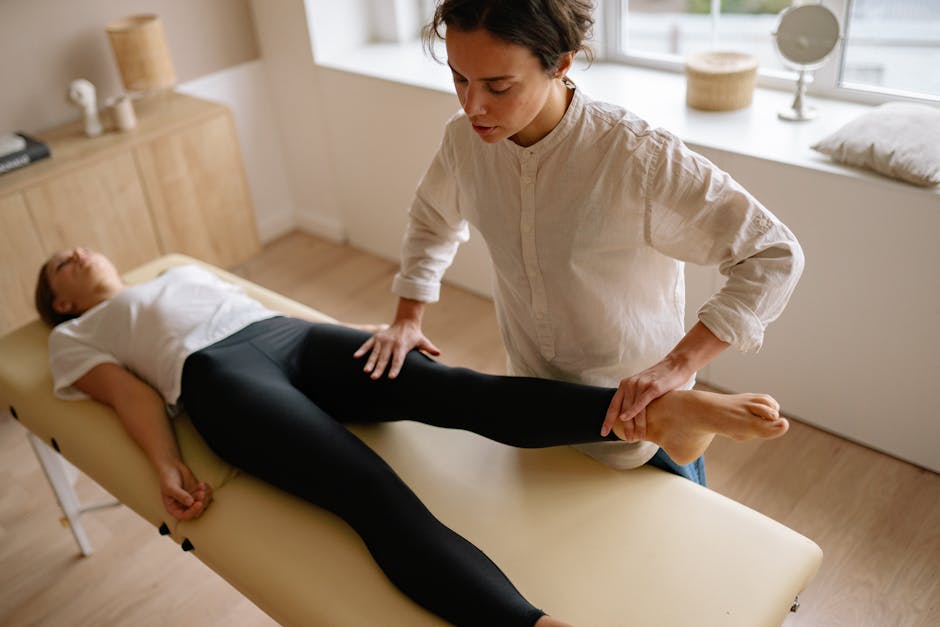
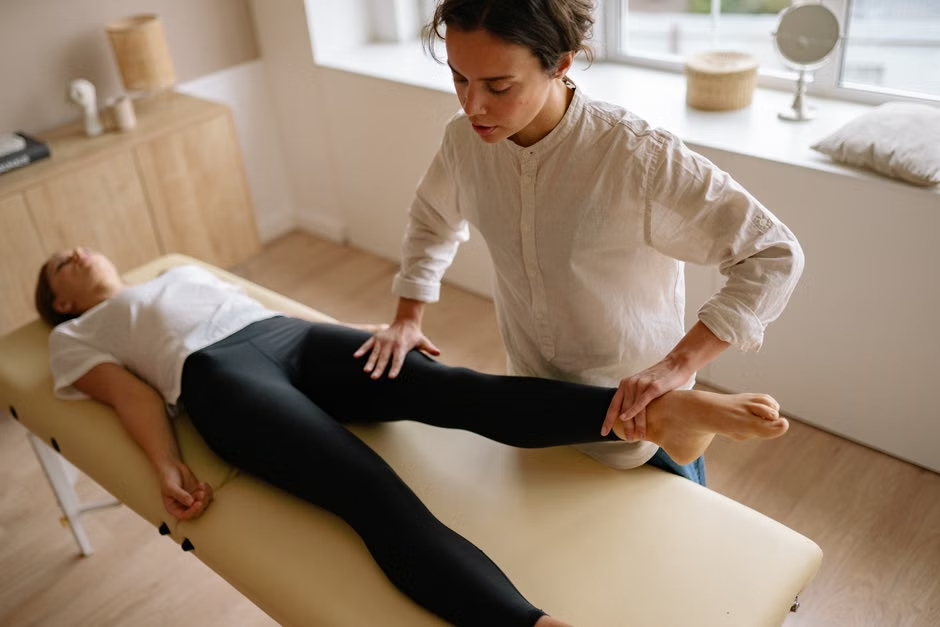
Manual therapy involves specific, hands-on techniques performed by physical therapists to diagnose and treat soft tissue and joint structures. These techniques include mobilization, manipulation, and massage, aiming to reduce pain, improve range of motion, and restore normal movement patterns. By directly addressing joint stiffness, muscle tension, and nerve irritation, manual therapy helps to break the cycle of chronic pain.
When someone experiences chronic pain, muscles often tighten, joints stiffen, and nerve pathways can become hypersensitive. Manual therapy directly counters these issues. For instance, joint mobilization can gently restore movement to restricted joints, while soft tissue mobilization (a form of massage) helps release tight muscles and fascia. These interventions are crucial for federal personnel, who rely on optimal physical function to maintain operational readiness and quality of life.
“Manual therapy techniques, when integrated into a comprehensive rehabilitation program, can significantly reduce pain and improve functional outcomes for individuals with chronic musculoskeletal conditions.”
The goal isn’t just temporary relief; it’s to create lasting changes in how the body moves and perceives pain. By improving circulation, reducing inflammation, and stimulating the body’s natural healing processes, manual therapy sets the stage for other therapeutic exercises and long-term self-management strategies. This aligns with federal priorities for safer care of pain, emphasizing non-pharmacologic interventions.
What Conditions Benefit from Manual Therapy for Chronic Pain?
Manual therapy is highly effective for a range of chronic conditions where mechanical dysfunction contributes to persistent pain. Our collective membership across military, VA, and federal agencies regularly utilizes these techniques to address complex pain presentations.
Conditions that often benefit include:
- Chronic Low Back Pain: Addressing spinal stiffness, muscle imbalances, and nerve compression, as we discuss in our post on Low Back Pain Management Without Surgery.
- Neck Pain and Headaches: Releasing tension in cervical muscles and improving joint mobility in the upper spine.
- Fibromyalgia: Gentle soft tissue techniques can help manage widespread pain and tenderness.
- Osteoarthritis: Mobilizing affected joints to reduce stiffness and improve comfort, especially in hips, knees, and hands.
- Sciatica: Decompressing nerve roots and improving mobility of the lumbar spine and pelvis.
- Myofascial Pain Syndrome: Releasing trigger points and restoring normal muscle length and function.
- Post-Surgical Pain: Managing scar tissue and restoring mobility after healing from operations, often seen in federal hospitals and clinics.
How Does Pain Science Inform Our Approach to Chronic Pain?
Understanding pain science is fundamental to treating chronic pain effectively. It acknowledges that pain is not simply a direct reflection of tissue damage, but a complex experience influenced by biological, psychological, and social factors. This nuanced perspective helps physical therapists tailor treatments that address the whole person, not just the physical symptoms.
We often explain to patients that when pain becomes chronic, the nervous system can become overprotective, generating pain signals even when there’s no ongoing tissue injury. This concept, known as central sensitization, means the brain’s alarm system is stuck in an “on” position. Roger Carlson, one of our experts, emphasizes that “educating patients about how pain works is as vital as any hands-on technique. It demystifies their experience and empowers them to actively participate in their recovery.” By explaining this, we help patients understand why specific movements might be painful, even if structurally everything appears fine, and how physical therapy can help recalibrate this alarm system.
“Pain is a multidimensional experience, and chronic pain often involves changes in the central nervous system that require a comprehensive treatment approach beyond just addressing the site of injury.”
Our approach integrates this pain science by combining manual therapy with movement education, therapeutic exercise, and strategies for stress management. This holistic method helps reduce the perceived threat of pain, builds confidence in movement, and fosters long-term self-efficacy. It moves beyond a purely biomedical model to address the full spectrum of factors influencing chronic pain, aligning with our commitment to high quality care for our nation’s servants.
Is Manual Therapy Always the Right Choice for Chronic Pain?
While manual therapy offers significant benefits for many, it’s not a universal solution for every individual experiencing chronic pain. Its suitability depends heavily on the specific cause of pain, the patient’s overall health, and their response to initial interventions. Our board-certified providers meticulously assess each case to determine the most appropriate course of action, sometimes recommending alternatives or supplemental treatments.
For example, certain conditions, like widespread inflammatory arthritis, might primarily benefit from medication management alongside gentle movement, rather than aggressive manual manipulation. Patients with significant psychological overlay to their pain, or those experiencing conditions like complex regional pain syndrome, often require a multidisciplinary approach that includes mental health support, in addition to physical therapy.
We believe in building massive trust by being transparent. For some, other therapies like behavioral therapy (CBT), acupuncture, or even certain pain psychology interventions may be more appropriate or beneficial when used in conjunction with physical therapy. The key is a thorough evaluation and a personalized treatment plan that might also involve specialists outside of physical therapy, ensuring the best possible outcome for our federal patients.

What Should Federal Patients Expect from Manual Therapy Sessions?
When federal patients engage in manual therapy for chronic pain, they can expect a collaborative and progressive treatment journey. Initial sessions will involve a detailed assessment of movement, posture, and pain triggers. The therapist will then apply hands-on techniques, which may include joint mobilizations, soft tissue massage, or stretching, followed by therapeutic exercises designed to reinforce the manual work.
A realistic timeline for noticeable improvement often ranges from several weeks to a few months, depending on the chronicity and complexity of the condition. We prioritize empowering patients with self-management tools and a graded return to activity. This gradual approach supports readiness, disability prevention, and long-term cost control, especially for those in demanding federal roles, including military personnel undergoing Combat Injury Rehabilitation: Physical Therapy Protocols.
Patients typically report reduced pain, increased range of motion, and improved ability to perform daily activities. It’s not uncommon to feel some soreness after early sessions, which is usually temporary. The ultimate goal is to transition from relying on passive manual techniques to actively managing pain through exercise and learned coping strategies, fostering lasting independence and better quality of life.
Practical Strategies for Federal Patients Managing Chronic Pain
Beyond the clinic, what federal physical therapists recommend for their patients is just as vital. Integrating these practical strategies into daily life can significantly enhance the benefits of manual therapy and contribute to sustained chronic pain relief. Here are some key recommendations:
- Adhere to Your Home Exercise Program: Consistency with prescribed exercises is crucial. They reinforce the gains made during therapy sessions and build strength and flexibility.
- Practice Mindful Movement: Pay attention to your body’s signals during daily activities. Learn to move in ways that support your healing, avoiding positions or movements that aggravate pain.
- Prioritize Sleep Hygiene: Quality sleep is a powerful pain reliever. Establish a regular sleep schedule, create a comfortable sleep environment, and limit screen time before bed.
- Manage Stress Effectively: Stress can amplify pain. Incorporate stress-reduction techniques like deep breathing, meditation, or spending time in nature.
- Stay Hydrated and Nourished: A balanced diet and adequate hydration support overall health and tissue healing, which can impact pain levels.
- Communicate Openly with Your PT: Share any changes in pain, new symptoms, or challenges you face. Your therapist can adjust your treatment plan accordingly.
Living with chronic pain can be challenging, but it doesn’t have to define your life or your ability to serve. Through a combination of expert manual therapy, patient education informed by current pain science, and consistent self-management, federal physical therapists are uniquely positioned to guide service members, veterans, and federally insured patients toward meaningful, lasting relief. Our commitment is to enhancing quality care throughout the entire field, ensuring every patient receives the support they need to become mission-ready and maintain an independent, mobile life.