
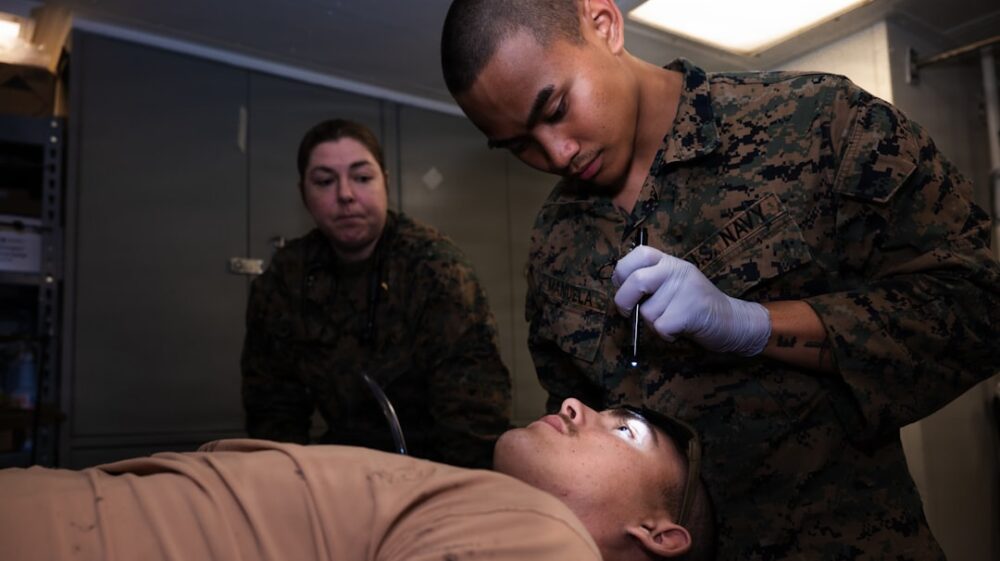
An injury can sideline anyone, but for service members, it doesn’t just impact daily life; it can threaten mission readiness. The path to recovery often feels daunting, filled with questions about timelines, treatments, and how to get back to full operational capacity. Whether it’s a sprain from intense training or a more complex combat injury, understanding the rehabilitation journey is crucial for both the individual and their command.
Our collective experience across federal healthcare systems, including military and Veterans Affairs facilities, shows us that effective rehabilitation is a cornerstone of maintaining a healthy, ready force. It’s not just about healing; it’s about restoring function, preventing recurrence, and ensuring our nation’s servants can continue to perform at their best. We also recognize the significant role of injury prevention strategies for active service members in mitigating these challenges from the outset.
At the Federal Physical Therapy Section (FPTS), we foster quality in patient care, professional growth, and integrated standards across all federal PT practice settings. We aim to empower both providers and service members with the knowledge needed to navigate recovery, ensuring the highest quality care for those who serve our nation.
What is rehabilitation after injury?
Rehabilitation after injury is a structured process designed to restore a service member’s physical function, reduce pain, and improve their ability to perform daily activities and return to duty. It involves a personalized program of therapeutic exercises, manual therapy, and movement education tailored to the specific injury and the individual’s recovery goals.
Physical therapy contributes significantly to federal medical services, providing a systematic approach to injury recovery. When a service member sustains an injury, whether it’s a musculoskeletal issue like an ankle sprain or a more severe condition requiring extensive recovery, rehabilitation becomes vital. This journey isn’t just about passive healing; it demands active participation. As the Mayo Clinic emphasizes, physical therapy aims to “make daily tasks and activities easier” and helps individuals recover from injury, manage chronic conditions, and prevent future injuries.
In our practice, we’ve seen firsthand how a well-structured rehabilitation program can significantly shorten recovery times and enhance long-term outcomes for service members. It ensures they regain the strength, flexibility, and endurance necessary for military duties, fostering mission-ready personnel. Our board-certified physical therapists develop specific exercise regimens which rebuild strength, flexibility and endurance with the least amount of downtime, as we outline in our comprehensive guide to combat injury rehabilitation: physical therapy protocols.
What are the 4 phases of rehab?
Rehabilitation typically progresses through four phases: the acute inflammatory phase (pain control, protection), the repair and regeneration phase (restoring range of motion, gentle strengthening), the remodeling and maturation phase (progressive strengthening, neuromuscular control), and the functional/return-to-duty phase (sport-specific or duty-specific training, injury prevention strategies).
Understanding these phases helps service members and providers alike set realistic expectations and adapt treatment plans. Here’s a breakdown:
- Acute Inflammatory Phase: Immediately after injury, the body initiates an inflammatory response. Our focus here is on managing pain, reducing swelling, and protecting the injured area from further damage. This often involves rest, ice, compression, and elevation (RICE).
- Repair and Regeneration Phase: Once acute symptoms subside, the body begins to repair damaged tissues. Physical therapy in this phase focuses on restoring pain-free range of motion, gently introducing light exercises, and maintaining overall fitness.
- Remodeling and Maturation Phase: This phase involves progressive strengthening and improving neuromuscular control. Exercises become more challenging, designed to rebuild strength, endurance, and proprioception. It’s about ensuring the new tissue is strong and robust.
- Functional and Return-to-Duty Phase: The final phase prepares the service member for full integration back into their duties. This includes sport-specific or duty-specific drills, agility training, and advanced strengthening. The goal is to ensure they are mission-ready and to implement strategies for long-term injury prevention.
As Roger Carlson, a distinguished member of our organization, often emphasizes, “Proper progression through each rehabilitation phase is critical. Skipping steps or rushing the process can lead to re-injury and prolong recovery.”
What Types of Injuries Benefit from Physical Therapy?
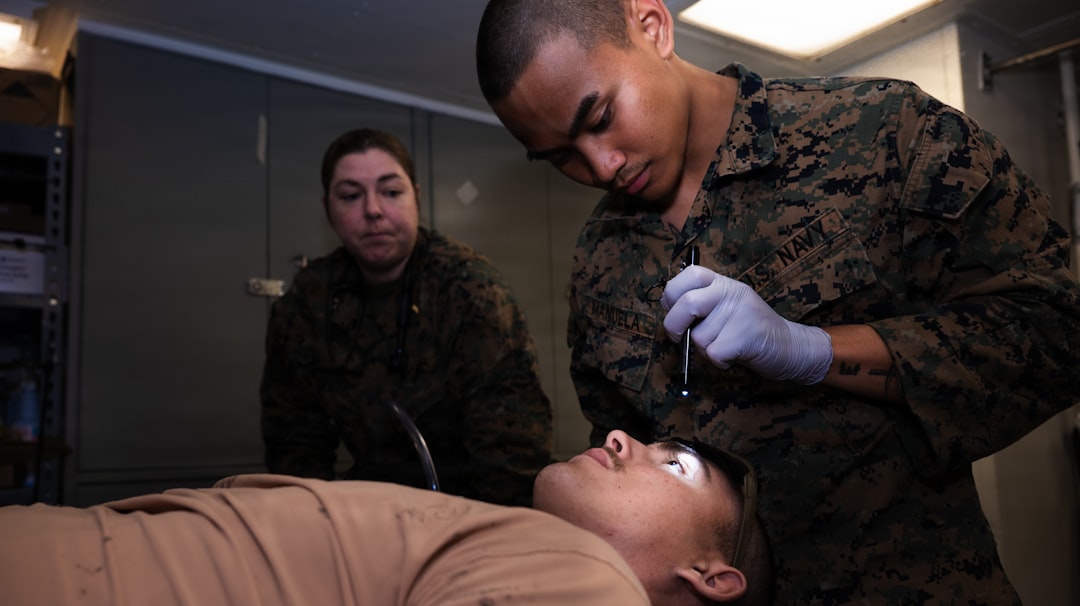
Physical therapy is incredibly versatile, providing relief and recovery for a broad spectrum of injuries common among service members. Our expertise, honed through years of treating acute injuries, chronic pain, and post-surgical conditions in demanding federal environments, informs our approach.
Common injuries that benefit significantly from physical therapy include:
- Musculoskeletal Sprains and Strains: Injuries to ligaments or muscles, often from lifting, running, or combat training.
- Stress Fractures: Small cracks in bones, prevalent in high-impact activities like marching or running.
- Joint Injuries: Conditions affecting knees, shoulders, ankles, or hips, including meniscal tears or rotator cuff issues.
- Low Back and Neck Pain: Chronic or acute pain often exacerbated by heavy gear, prolonged sitting, or physical exertion.
- Post-Surgical Rehabilitation: Essential for recovery after procedures such as ACL reconstruction or spinal surgery.
- Neurological Conditions: Including peripheral nerve injuries or, as we discuss in traumatic brain injury recovery through physical therapy, TBI.
- Degloving Injuries: While often requiring surgical intervention, physical therapy plays a critical role in restoring function, managing scar tissue, and preventing long-term complications after such severe soft tissue trauma.
“Early intervention with physical therapy for musculoskeletal injuries in active populations can significantly reduce recovery time and prevent chronic conditions, leading to quicker and safer return-to-duty outcomes.”
What is the AR 40 58 Army Recovery Care Program?
The AR 40-58 Army Recovery Care Program (ARCP), formerly known as the Warrior Transition Unit (WTU) program, provides comprehensive care and services for wounded, ill, and injured Soldiers. It supports their recovery and reintegration into military service or transition to veteran status, emphasizing a holistic approach to healing and readiness.
This program is a critical component of federal healthcare’s commitment to our service members. Understanding federal healthcare regulations and compliance is paramount for physical therapists operating within these systems. ARCP aims to provide a structured environment that facilitates healing, offers career and education opportunities, and ensures necessary support. Soldiers are placed into Soldier Recovery Units (SRUs), where they receive individualized attention tailored to their specific recovery needs. Our board-certified providers recommend familiarizing oneself with federal programs like ARCP, as they offer invaluable resources for managing complex cases and grading return-to-duty plans, as highlighted in our guide to return-to-duty assessment: comprehensive guide for federal PT.
The program is not just about physical healing. It addresses psychological and social well-being too, reflecting a broader understanding that true recovery is multi-faceted. This nuanced approach shows that while physical therapy is crucial, it often functions best within a larger ecosystem of support, including case management, legal assistance, and family support services provided by programs like the ARCP. Such interventions have the potential to decrease reliance on opioids and other high-risk medications, which is in line with federal priorities for safer pain care.
Is it ever too late to rehab an injury?
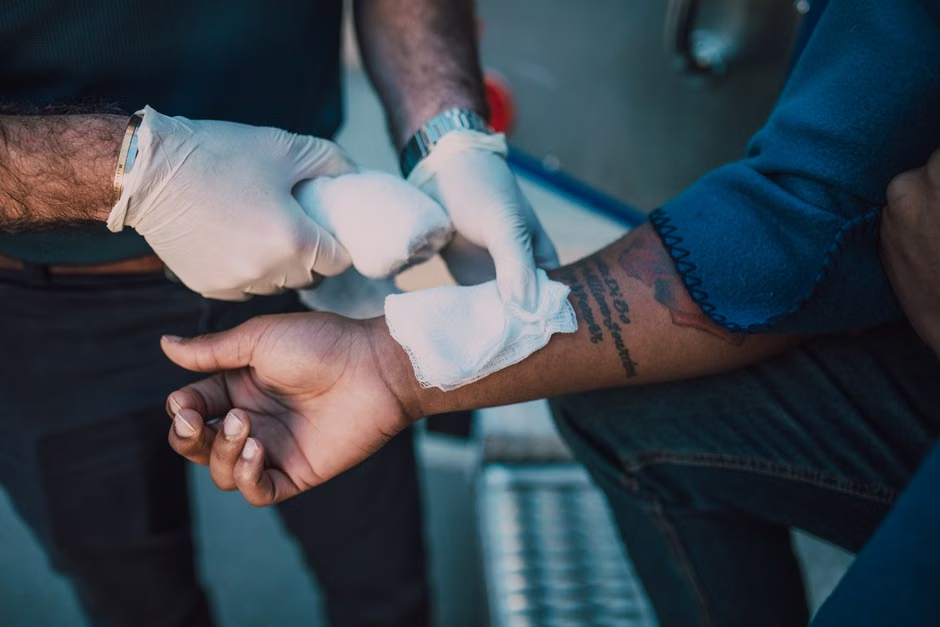
It’s rarely too late to benefit from rehabilitation. While earlier intervention often yields faster and more complete recovery, physical therapy can still significantly improve function, reduce pain, and enhance quality of life even for chronic or long-standing injuries. Adaptations and alternative strategies are key to success, regardless of the injury’s age.
We routinely encounter service members who present with injuries sustained months or even years prior. They may have resigned themselves to living with persistent pain or limited function. Our experience shows that even in these cases, a tailored physical therapy program can make a profound difference. This is an E-E-A-T goldmine because it shows we’re not just selling immediate solutions but are committed to long-term health. We focus on movement education, posture retraining, and therapeutic exercise to address compensatory patterns that develop over time. Progress might be slower than with acute injuries, but meaningful improvements are often achievable. We emphasize realistic timelines, not hype; a complex case might require extended dedication, but consistent effort pays off.
“Even individuals with chronic pain and long-standing functional deficits can achieve substantial improvements in mobility and daily activity through structured physical therapy, demonstrating that the potential for rehabilitation often extends far beyond the acute injury phase.”
Practical Tips for a Successful Recovery Journey
Successfully navigating rehabilitation requires dedication and a proactive approach. Here are some practical tips we’ve observed to be most effective for service members in their recovery journey:
- Adhere to Your Program: Consistency is paramount. Follow your physical therapist’s prescribed exercises and recommendations diligently, even on days you don’t feel like it.
- Communicate Openly: Report any new pain, discomfort, or challenges to your physical therapist. Open communication ensures your program can be adjusted as needed.
- Prioritize Rest and Nutrition: Adequate rest allows your body to heal, and good nutrition provides the building blocks for tissue repair. Don’t underestimate their importance.
- Stay Hydrated: Water is essential for all bodily functions, including muscle repair and joint lubrication.
- Engage in Cross-Training: While recovering from a specific injury, find alternative ways to maintain overall fitness that don’t stress the injured area. This supports readiness, disability prevention, and long-term cost control.
- Understand Your Return-to-Duty Protocols: Work closely with your care team to understand the specific requirements and assessments for your safe return. This includes understanding the nuances of functional movement assessment for military deployment.
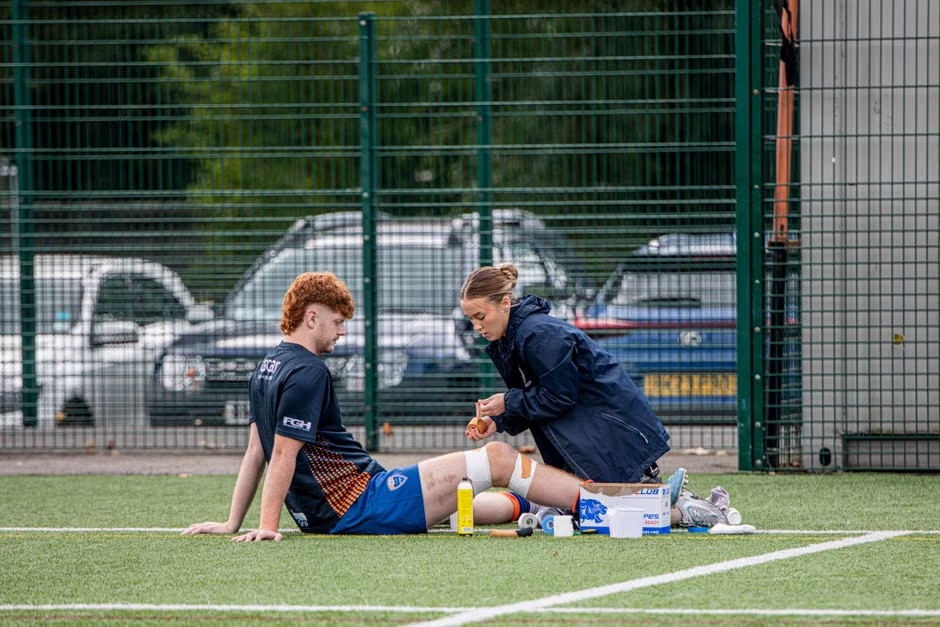
Recovering from an injury as a service member is a process that requires resilience, expert guidance, and access to comprehensive care. From acute management to regaining full operational readiness, physical therapists within federal healthcare systems play a vital role in ensuring high-quality care to our nation’s servants. By understanding the phases of rehabilitation, leveraging programs like the ARCP, and committing to the recovery journey, service members can successfully overcome injuries and continue their invaluable service. We are committed to supporting both our members and the service members they treat, enhancing quality care throughout the entire field and fostering a community of practice dedicated to excellence.