

Active duty personnel face unique demands that often lead to musculoskeletal injuries. The intensity of training, operational duties, and diverse physical requirements can unfortunately result in conditions like acute sprains, stress fractures, and persistent knee ache. When injuries occur, they don’t just cause pain; they can significantly impact readiness and long-term career progression.
Managing these injuries effectively, and more importantly, preventing them, is paramount for maintaining mission-ready forces. This requires a specialized approach, one that integrates the principles of sports medicine with the specific needs of federal service members. Physical therapy contributes significantly to the federal medical services, and its assistance allows service members, veterans, and federally insured patients to remain mobile, independent, and mission-ready.
The Federal Physical Therapy Section (FPTS) champions high quality care for our nation’s servants. We understand the critical role physical therapy plays in keeping our military healthy and preventing injuries. As we detail in our guide to Injury Prevention Strategies for Active Service Members, a proactive stance on health is always the best defense.
What is Sports Medicine in a Federal Context?
Sports medicine is a branch of healthcare focused on preventing, diagnosing, and treating injuries related to physical activity and exercise. Within federal healthcare systems, this specialization is adapted to the unique demands placed on service members, addressing conditions ranging from acute trauma to overuse syndromes that can impair operational readiness and overall well-being. It is about restoring function and ensuring service members can perform their duties effectively and safely.
While the term “sports” might evoke images of professional athletes, sports medicine, especially in the federal context, applies to anyone who is physically active, which inherently describes active duty personnel. It encompasses everything from the immediate care of an ankle sprain to long-term rehabilitation for a chronic knee ache treatment. As the Mayo Clinic notes, sports medicine specialists are adept at helping individuals improve their athletic performance, recover from injury, and prevent future injuries.
In our collective experience serving service members, veterans, and federally insured patients, we’ve seen firsthand how a dedicated sports medicine approach, led by physical therapists, fosters quality in patient care, professional growth, and integrated standards. This isn’t just about getting back to sport; it’s about returning to duty, to family, and to a full, active life.
How Physical Therapy Supports Readiness Through Sports Medicine
Physical therapy forms the cornerstone of sports medicine in federal healthcare, offering non-pharmacologic management of pain and injury recovery. Our approach focuses on thorough assessment, targeted therapeutic exercise, manual therapy, and movement education. We aim to restore function, reduce pain, and build resilience, ensuring service members return to full duty with confidence and reduced risk of re-injury. This helps in achieving readiness, disability prevention, and long-term cost control.
Physical therapists play a forefront role in operational readiness in military and other federal environments. They assess acute injuries such as sprains, stress fractures and develop specific exercise regimens which rebuild strength, flexibility and endurance with the least amount of downtime. For instance, addressing conditions like carpal tunnel and treatment for hand injuries often involves a detailed assessment of repetitive motion and ergonomic factors specific to military tasks.
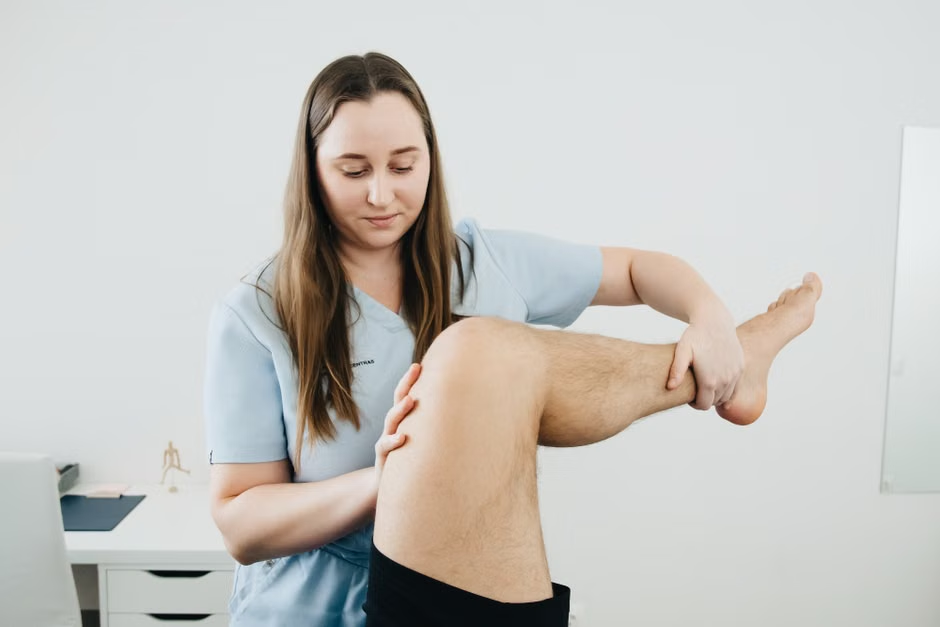
“Physical therapists are uniquely positioned to manage musculoskeletal injuries in the military population, emphasizing rehabilitation that is not only effective but also directly correlates with the functional demands of active duty.”
What are Common Injuries in the Military?
Service members frequently experience overuse injuries like stress fractures, tendinitis, and knee pain, alongside acute traumatic injuries such as sprains, strains, and concussions. These injuries often result from rigorous training, heavy load carriage, and the unpredictable nature of operational environments, directly impacting their ability to perform mission-critical tasks efficiently.
In our practice, we have seen that musculoskeletal injuries account for a significant portion of medical encounters among active duty personnel. Beyond common conditions, specific injury patterns emerge based on military occupational specialties. For instance, infantry roles often involve extensive walking, running, and load-bearing, leading to a higher incidence of lower extremity issues, including persistent knee ache.
What are the Risk Factors for Injuries in Service Members?
Key risk factors for injuries in service members include high-intensity physical training, carrying heavy loads, repetitive movements, and environmental stressors like uneven terrain or extreme temperatures. Inadequate physical conditioning, prior injury history, and insufficient recovery time also significantly contribute to increased injury rates among military personnel.
Understanding these risk factors allows us to develop targeted prevention strategies. For example, a thorough Functional Movement Assessment for Military Deployment can identify biomechanical imbalances or weaknesses before they lead to injury. Roger Carlson, a professional in our network, often emphasizes the importance of integrating strength and conditioning programs that specifically mimic the movements and loads experienced during duty, rather than generic fitness routines.
How Does Physical Therapy Address Common Infantry Injuries?
Physical therapy for infantry injuries focuses on restoring combat readiness by addressing specific conditions like knee ache, ankle sprains, and back pain. Our interventions include targeted strengthening, manual therapy, gait retraining, and progressive return-to-activity protocols designed to enhance resilience and functional capacity for demanding operational roles.
Common infantry injuries frequently involve the lower extremities due to activities like ruck marching, running, and navigating complex terrain. Knee ache, for instance, can stem from patellofemoral pain syndrome, meniscal tears, or ligamentous strains. Physical therapists employ a variety of techniques:
- Manual Therapy: Hands-on techniques to improve joint mobility, reduce muscle tension, and alleviate pain.
- Therapeutic Exercise: Customized strengthening programs for the core, hips, and lower extremities to support the knee and prevent recurrence.
- Movement Education: Teaching proper body mechanics for lifting, carrying, and navigating obstacles to reduce strain.
- Modalities: Use of therapeutic modalities like ice, heat, or electrical stimulation as adjuncts for pain and inflammation management.
For more severe cases, especially those involving combat injuries, our protocols for Combat Injury Rehabilitation: Physical Therapy Protocols offer detailed guidance on progressive, evidence-based care.
What Does Physical Therapy Treat for Active Duty?
Physical therapists specializing in sports medicine are equipped to treat a wide array of conditions affecting active duty personnel, ensuring they can return to their duties safely and effectively. We address:
- Knee Ache Treatment: From patellofemoral pain syndrome to ligamentous strains and osteoarthritis.
- Ankle Sprains and Fractures: Rehabilitation to restore stability, strength, and agility.
- Shoulder Impingement and Rotator Cuff Injuries: Enhancing mobility and strength for overhead tasks.
- Back Pain: Addressing lumbar strains, disc herniations, and sacroiliac joint dysfunction.
- Stress Fractures: Graduated loading protocols for tibia, fibula, and metatarsals.
- Tendinitis: Managing inflammation and overuse in Achilles, patellar, and elbow tendons.
- Carpal Tunnel and Treatment for Other Overuse Hand/Wrist Injuries: Ergonomic adjustments, exercises, and manual techniques.
- Concussions (Post-Concussion Syndrome): Vestibular and oculomotor rehabilitation, and graded return to activity.
Our board-certified providers recommend early intervention for these conditions to prevent chronic issues and ensure a more rapid return to mission-ready status.

When is Physical Therapy the Right Choice for an Injury?
Physical therapy is often the first-line treatment for most musculoskeletal injuries, particularly those without severe structural damage requiring immediate surgical intervention. It’s an excellent choice for knee ache treatment, sprains, strains, overuse injuries, and chronic pain. However, it’s crucial to consult with a medical doctor for a full diagnosis, especially if there’s significant swelling, inability to bear weight, severe pain, or neurological symptoms.
While physical therapy can alleviate many conditions, there are instances where other medical interventions are necessary. For example, a complete ligament tear in the knee may require surgical repair before rehabilitation can begin. Similarly, certain fractures need casting or surgical fixation. In these cases, physical therapy seamlessly integrates into the post-surgical recovery pathway, playing a vital role in restoring strength and function. We believe in cross-agency communication and a multidisciplinary team approach to ensure the best outcomes for our service members.
“Conservative management, including physical therapy, is highly effective for a wide range of musculoskeletal conditions and should be considered before more invasive interventions, often leading to comparable or superior long-term outcomes.”
What to Expect from Physical Therapy and Realistic Timelines
When you engage in physical therapy for an injury, you can expect a comprehensive evaluation, followed by a personalized treatment plan. Sessions will involve a combination of therapeutic exercises, manual therapy, and patient education. Our goal is not just pain reduction but also restoring full function, preventing recurrence, and ultimately, ensuring you’re mission-ready.
Realistic timelines vary significantly based on the injury’s severity, individual healing capacity, and adherence to the treatment plan. A minor muscle strain might see significant improvement in 2-4 weeks, while a more complex injury like a stress fracture or a serious knee issue could require 6-12 weeks, or even longer, of dedicated therapy. We emphasize a gradual progression to avoid setbacks. Our guide to Rehabilitation Timeline for Service Members After Injury provides more detail on what to expect for various conditions. The ultimate aim is to ensure a safe and effective Return-to-Duty Assessment: Comprehensive Guide for Federal PT.
Practical Tips for Injury Prevention and Management
Preventing injuries and effectively managing them when they occur is crucial for active duty personnel. Here are some practical steps you can take:
- Prioritize Proper Warm-up and Cool-down: Before and after any physical activity, dedicate time to dynamic warm-ups and static stretches to prepare muscles and aid recovery.
- Progressive Training: Avoid sudden increases in intensity, duration, or load. Gradually build up your physical demands to allow your body to adapt.
- Listen to Your Body: Don’t push through pain. Mild discomfort is one thing, but sharp or persistent pain is a signal to rest or seek professional evaluation. Addressing a minor knee ache early can prevent it from becoming a major issue.
- Optimize Nutrition and Hydration: Fuel your body with a balanced diet rich in micronutrients and stay adequately hydrated to support muscle repair and overall physical function.
- Ensure Adequate Rest and Recovery: Sleep is vital for physiological recovery. Prioritize 7-9 hours of quality sleep nightly to allow your body to heal and adapt to training stressors.
- Use Proper Gear: Wear well-fitting footwear and appropriate protective equipment for your specific activities. Replace worn-out gear promptly.
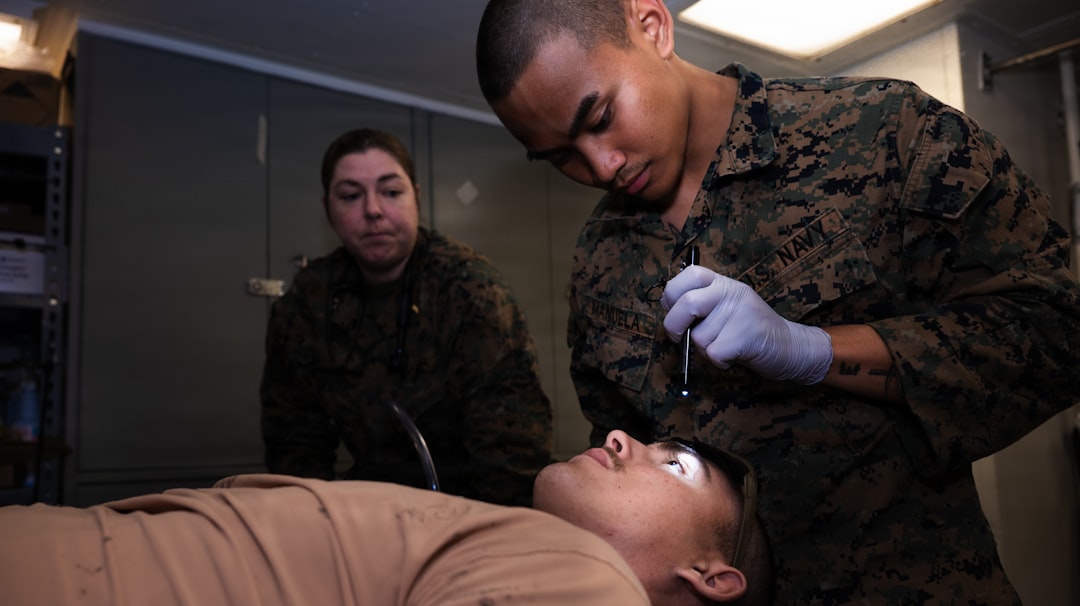
Maintaining the physical health and operational readiness of our active duty personnel is a collective mission. Through expert sports medicine principles applied by highly trained physical therapists, we can significantly reduce injury rates, enhance recovery, and ensure our service members are always prepared for the challenges ahead. The Federal Physical Therapy Section is committed to advancing clinical excellence and fostering quality care throughout the entire field, supporting those who serve our nation. We invite you to explore our resources and connect with our community of practice.