

Neck pain is a pervasive issue, one that can significantly impact daily function and overall well-being. For those serving in federal healthcare systems, including our military personnel and veterans, the demands of their roles often exacerbate these musculoskeletal challenges. Prolonged periods at desks, repetitive motions, or the physical rigors of active duty can all contribute to discomfort in the cervical spine.
When neck pain becomes a persistent problem, it’s more than just an annoyance; it can hinder operational readiness and degrade quality of life. Understanding the root causes, especially those linked to poor posture, is the first step toward effective relief. As physical therapists dedicated to serving our nation’s personnel, we recognize the critical need for precise, non-pharmacologic interventions to manage such pain and restore optimal function.
At FederalPT.org, we unite physical therapists and assistants who practice within these federal systems, fostering quality in patient care, professional growth, and integrated standards. We are committed to empowering our members to provide high quality care to our nation’s servants, helping them achieve greater mobility and freedom from pain. We frequently emphasize the importance of non-opioid pain management in our strategies, a topic we explore further in our resource on Non-Opioid Pain Management: Physical Therapy Strategies.
What is Neck Pain and How Does Posture Contribute?
Neck pain, medically known as cervicalgia, refers to discomfort anywhere from the base of the skull to the top of the shoulders, sometimes radiating into the arms or head. It often arises when the intricate structures of the neck—muscles, ligaments, vertebrae, and nerves—are strained, inflamed, or compressed. Poor posture, particularly sustained forward head posture or “tech neck,” places excessive stress on these structures, forcing muscles to work harder to keep the head upright. This constant strain can lead to muscle fatigue, stiffness, and chronic pain over time.
The human head, weighing about 10 to 12 pounds, puts increasing pressure on the cervical spine as it shifts forward. For every inch the head moves forward, it adds approximately 10 pounds of force to the neck, according to studies cited by the Mayo Clinic. This mechanical overload is a prime driver of postural neck pain, leading to discomfort and potential long-term issues.
Poor Posture Neck Pain Symptoms: What to Look For
Recognizing the symptoms of neck pain caused by poor posture is crucial for early intervention. These signs often develop gradually, becoming more pronounced over time. Our experience within federal clinics shows these symptoms are common among personnel who spend extended periods at desks or engaged in physically demanding tasks requiring specific body positions.
- Dull, aching pain in the neck and shoulders.
- Stiffness or reduced range of motion, especially when turning the head.
- Headaches, particularly at the base of the skull, often radiating to the temples or forehead.
- Muscle spasms or tenderness in the neck and upper back.
- Pain that worsens with prolonged sitting, standing, or computer use.
- Fatigue in neck and shoulder muscles.
- Occasional tingling or numbness in the arms or hands (in more severe cases).
Neck Pain Due to Bad Posture Treatment: A Comprehensive Approach
Treating neck pain stemming from poor posture requires a holistic strategy that goes beyond simply addressing the pain itself. We focus on identifying and correcting the underlying postural imbalances. Our approach integrates various physical therapy techniques aimed at strengthening weakened muscles, stretching tight tissues, and re-educating movement patterns. This often includes manual therapy, which we detail further in our discussion of Manual Therapy Techniques for Chronic Pain Relief.
Initial treatment typically involves pain relief modalities such as heat, ice, or gentle manual techniques to reduce muscle tension. Once acute pain subsides, the focus shifts to restoring mobility and stability. We guide patients through specific exercises designed to improve cervical strength, endurance, and flexibility. Education on ergonomic principles for workstations and daily activities is also paramount.

“Physical therapists are experts in the evaluation and treatment of musculoskeletal conditions. By addressing biomechanical imbalances and empowering patients with self-management strategies, they play a critical role in mitigating chronic neck pain and improving overall functional capacity.”
How to Correct Posture to Fix Neck Pain?
Correcting posture to alleviate neck pain is a process that demands awareness, consistency, and targeted intervention. It’s not about forcing yourself into an unnatural position, but rather training your body to find and maintain a more balanced, efficient alignment. We encourage our patients to think about their posture dynamically, not just as a static pose.
The first step involves identifying your current postural habits. Often, we don’t realize how we’re holding our heads or shoulders until a physical therapist points it out. We look for common patterns like forward head posture, rounded shoulders, or an exaggerated curve in the upper back. Once identified, specific exercises and stretches become critical. Strengthening the deep neck flexors and scapular retractors, while stretching the pectorals and upper trapezius, helps pull the head and shoulders back into alignment.
We often recommend integrating micro-breaks throughout the day for those working long hours. Simple stretches or repositioning can prevent the gradual slouching that contributes to neck pain. Our goal is always to create sustainable changes that support readiness, disability prevention, and long-term cost control.
Bad Posture Neck Pain Exercises: Practical Strategies
Targeted exercises are fundamental to reversing the effects of poor posture and strengthening the muscles that support a healthy neck and spine. These exercises should be performed consistently, often multiple times a day, to retrain your body’s muscle memory. Here are some effective exercises we commonly prescribe:
- Chin Tucks: Gently pull your chin straight back, as if making a double chin, keeping your eyes forward. Hold for 5-10 seconds. This strengthens deep neck flexors and helps correct forward head posture.
- Scapular Squeezes: Sitting or standing tall, gently squeeze your shoulder blades together and down, as if trying to hold a pencil between them. Hold for 5 seconds. This strengthens the mid-back muscles vital for upright posture.
- Doorway Chest Stretch: Stand in a doorway, place your forearms on the frame at shoulder height, and gently lean forward until you feel a stretch across your chest. Hold for 20-30 seconds. This helps counter rounded shoulders.
- Cervical Retraction with Resistance: Using a resistance band or even your hand against your forehead, gently push your head backward while performing a chin tuck. This adds resistance to the deep neck flexors.
- Thoracic Extension over Foam Roller: Lie on your back with a foam roller perpendicular to your spine, at the level of your upper back. Support your head with your hands and gently extend your upper back over the roller.
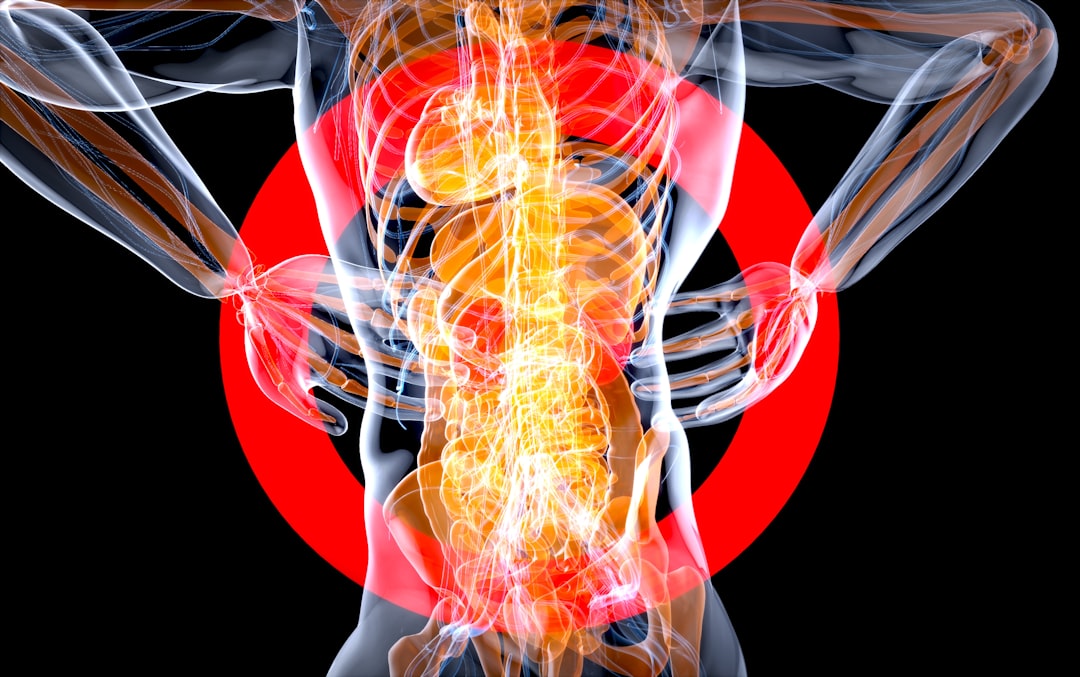
Good Posture for Neck Pain While Sleeping
The way we sleep can significantly impact neck health and either alleviate or exacerbate pain. Maintaining good spinal alignment during sleep is just as important as during waking hours. The goal is to keep your head and neck in a neutral position, avoiding extreme flexion, extension, or rotation.
For back sleepers, a pillow that supports the natural curve of the neck without elevating the head too much is ideal. Memory foam or orthopedic pillows designed for cervical support can be particularly beneficial. Side sleepers require a thicker pillow to fill the gap between the head and the mattress, keeping the spine straight. Placing a pillow between the knees can also help align the entire spine. Stomach sleeping, however, is generally discouraged for individuals with neck pain, as it typically forces the head to be turned to one side for prolonged periods, stressing the cervical spine. If you absolutely cannot sleep in another position, opt for a very thin pillow or no pillow at all to minimize strain.
When is Physical Therapy the Right Choice for Neck Pain?
Physical therapy is often the primary and most effective non-invasive treatment for neck pain, especially when it’s linked to postural issues, muscle imbalances, or minor injuries. We recommend consulting a physical therapist if your neck pain is persistent, severe, accompanied by numbness or tingling, or significantly limits your daily activities. Our board-certified providers have extensive experience serving service members, veterans, and federally insured patients, often dealing with the unique demands placed on these populations.
While physical therapy is highly effective, it’s important to understand its suitability. For instance, if neck pain is accompanied by fever, sudden weakness, or severe trauma, immediate medical attention is necessary to rule out more serious underlying conditions such as fractures, infections, or neurological compromise. In some cases, such as certain degenerative conditions or severe disc herniations, a multidisciplinary approach involving medication, injections, or even surgical consultation might be considered alongside physical therapy. We pride ourselves on offering nuanced recommendations, prioritizing the patient’s best outcome. For comprehensive pain management, including strategies for conditions like low back pain, we provide further insights in our article on Low Back Pain Management Without Surgery.
“Maintaining proper alignment of the spine through good posture can prevent many common musculoskeletal complaints, including chronic neck pain. Early intervention with physical therapy can effectively address these issues, promoting long-term health and preventing recurrence.”
Realistic Expectations for Neck Pain Relief Through PT
When you begin physical therapy for neck pain, it’s natural to wonder about the timeline for relief. While individual results vary depending on the severity and chronicity of the pain, most patients experience noticeable improvement within 2-4 weeks of consistent therapy. Full resolution and functional independence may take anywhere from 6-12 weeks, and sometimes longer for chronic or complex cases. Our multidisciplinary rehabilitation teams in federal hospitals and clinics have seen firsthand that commitment to the prescribed program is key.
The initial phase focuses on reducing pain and inflammation, often using manual therapy and gentle exercises. As pain subsides, the focus shifts to strengthening, flexibility, and postural re-education. You’ll learn self-management techniques to prevent recurrence. It’s not a quick fix; it’s a journey toward sustainable health. We are dedicated to providing the knowledge and tools necessary for our patients to achieve lasting results, supporting their mission-ready status and overall well-being. Our deep understanding of chronic pain in combat-exposed and high-demand populations informs our patient-centered care plans, ensuring relevant and effective strategies.
Addressing neck pain through proper postural correction is a vital component of maintaining health and operational readiness, particularly for those serving in our federal systems. We encourage all physical therapists and physical therapist assistants in federal roles to explore the resources and community offered by FederalPT.org. Together, we can continue enhancing quality care throughout the entire field, supporting our nation’s personnel in living healthier, more mobile, and pain-free lives. For those dealing with specific challenges like chronic pain, especially within military service, we offer further perspective and strategies in our dedicated post, Chronic Pain in Military Service Members: A PT Perspective.