
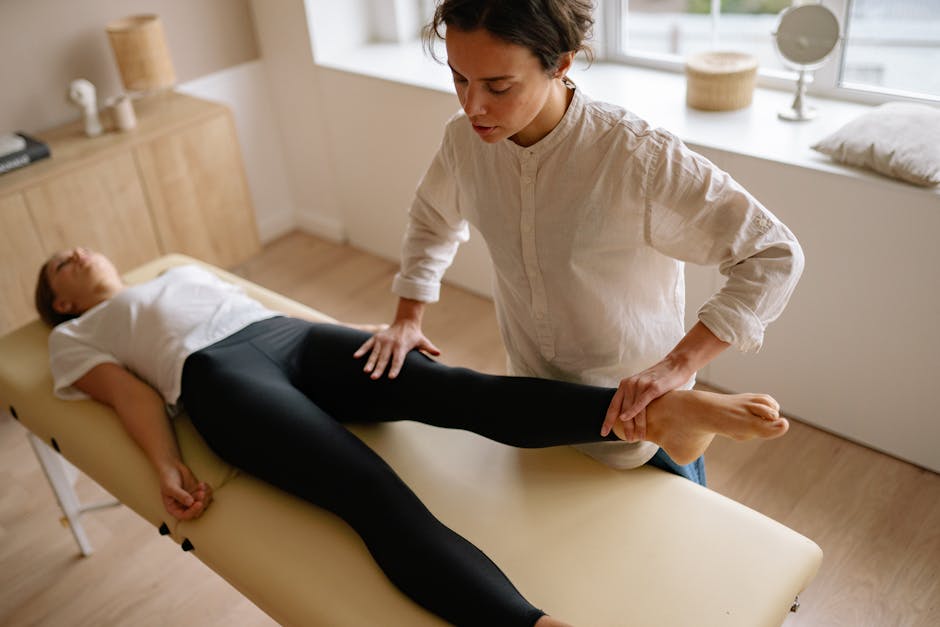
Combat injuries, whether from deployment or rigorous training, demand specialized and effective rehabilitation. For service members, veterans, and other federally insured patients, regaining full function isn’t just about personal well-being; it’s often about returning to duty, maintaining independence, and upholding the demanding physical standards of service. Without structured, evidence-based interventions, the path to recovery can be prolonged, leading to increased downtime and potential long-term disability.
Physical therapy contributes significantly to federal medical services, allowing our nation’s servants to remain mobile, independent, and mission-ready. Our board-certified providers consistently apply rigorous protocols to help individuals recover from acute injuries like sprains and stress fractures, and manage chronic conditions. At the Federal Physical Therapy Section, we understand the unique challenges faced by our patients, and our collective mission is to foster quality in patient care, professional growth, and integrated standards across all federal healthcare systems.
Effective rehabilitation hinges on carefully designed physical therapy protocols. These are not merely suggestions, but structured guidelines that ensure consistent, high-quality care, optimized for the specific demands of combat readiness and recovery within federal environments.
What Are Physical Therapy Protocols?
Physical therapy protocols are detailed, step-by-step guides for managing specific injuries or post-surgical conditions. They outline the appropriate exercises, manual therapies, modalities, and progression timelines, ensuring a standardized yet adaptable approach to rehabilitation. These protocols are typically evidence-based, drawing from clinical research and expert consensus to optimize patient outcomes.
These protocols serve as critical roadmaps for physical therapists, especially when dealing with complex or high-stakes conditions common in federal populations. They help ensure that every stage of recovery, from acute care to return-to-duty grading, is systematically addressed. As the National Institutes of Health (NIH) highlights, “Standardized protocols improve consistency of care and facilitate outcomes assessment in rehabilitation.”
“Standardized protocols in rehabilitation are essential for ensuring consistency across different providers and settings, which is particularly vital in large healthcare systems like those serving our military and veterans.”
Many institutions, like those within the federal system, develop their own specific protocols tailored to their patient populations and available resources. For instance, while some may refer to a “Mass General Rehab Protocols” or “Brigham and Women’s Physical Therapy Protocols,” federal PT settings adapt these principles to fit the unique needs of active duty service members, veterans, and other federal beneficiaries, often emphasizing return-to-function and operational readiness.
How Do We Implement Rotator Cuff Tear Protocols (Non-Surgical)?
Non-surgical management of rotator cuff tears often involves a structured physical therapy protocol aimed at pain reduction, restoring range of motion, and strengthening the surrounding musculature. This approach avoids invasive procedures while still promoting healing and functional recovery.
Our experience demonstrates that a progressive approach is key. Initially, the focus is on reducing pain and inflammation, often through gentle range-of-motion exercises and modalities. As pain subsides, we gradually introduce strengthening exercises for the rotator cuff and scapular stabilizers. We employ exercises designed to improve posture and movement patterns, crucial for preventing recurrence and restoring full shoulder mechanics. This careful progression allows the tissue to heal while building resilience. Roger Carlson, a leader in federal physical therapy, frequently emphasizes the importance of patient education in adherence to these detailed home exercise programs.
What Injuries Do Physical Therapy Protocols Treat?
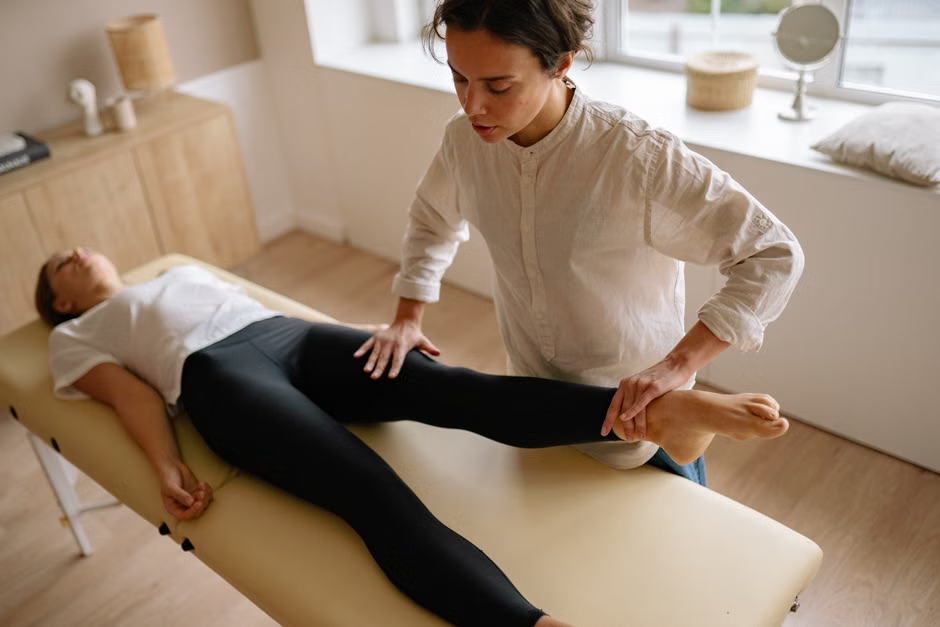
Physical therapy protocols treat a vast array of combat-related and occupational injuries, guiding patients through recovery from initial onset to full functional return. These protocols ensure a structured pathway to recovery, whether it’s acute trauma or chronic conditions.
In our practice, we’ve seen these protocols applied effectively to many conditions. They are especially critical in contexts where mission readiness is paramount. We commonly utilize them for:
- Musculoskeletal Trauma: Fractures, sprains, and strains sustained during training or combat operations.
- Post-Surgical Rehabilitation: Following procedures such as meniscus repairs, ACL reconstructions, or rotator cuff surgeries. Specific examples like “Rehab Protocol meniscus repair” are adapted to ensure optimal outcomes for federal patients.
- Chronic Pain Syndromes: Conditions like low back pain, neck pain, and fibromyalgia, often exacerbated by service demands.
- Overuse Injuries: Tendinitis and bursitis resulting from repetitive physical tasks.
- Neurological Conditions: Peripheral nerve injuries or rehabilitation following mild traumatic brain injury (TBI).
- Amputee Rehabilitation: Comprehensive programs to facilitate prosthetic training and functional independence.
These protocols aid in providing consistent, high quality care to our nation’s servants. They allow us to grade return-to-duty plans and ensure optimal recovery.
What to Expect During Combat Injury Rehabilitation
When you embark on combat injury rehabilitation, you can expect a comprehensive, multi-phase approach guided by expert physical therapists. The journey emphasizes progressive recovery, aiming to restore strength, mobility, and function with a clear focus on mission readiness.
Your initial evaluation will involve a thorough assessment of your injury, pain levels, range of motion, strength, and functional limitations. From there, a personalized treatment plan, based on established protocols, will be developed. This plan will likely include a combination of therapeutic exercises, manual therapy techniques, and modalities such as heat, ice, or electrical stimulation. The progression is gradual but steady, with regular re-assessments to ensure you’re meeting your recovery milestones. You’ll be educated on your condition and given strategies for self-management, a critical component of long-term success. Full recovery can take anywhere from a few weeks for minor sprains to several months or even a year for complex post-surgical cases or severe trauma. Throughout this process, our board-certified providers emphasize cross-agency communication to foster integrated standards of care.
“Consistent adherence to rehabilitation protocols, coupled with active patient participation, significantly influences both the speed and completeness of recovery from musculoskeletal injuries.”
Our focus is always on returning you to your highest possible level of function, preparing you for the physical demands of your role, and preventing re-injury. We see immense value in non-pharmacologic management of pain, reducing reliance on medications while building lasting resilience.
Practical Tips for Optimizing Your Rehabilitation
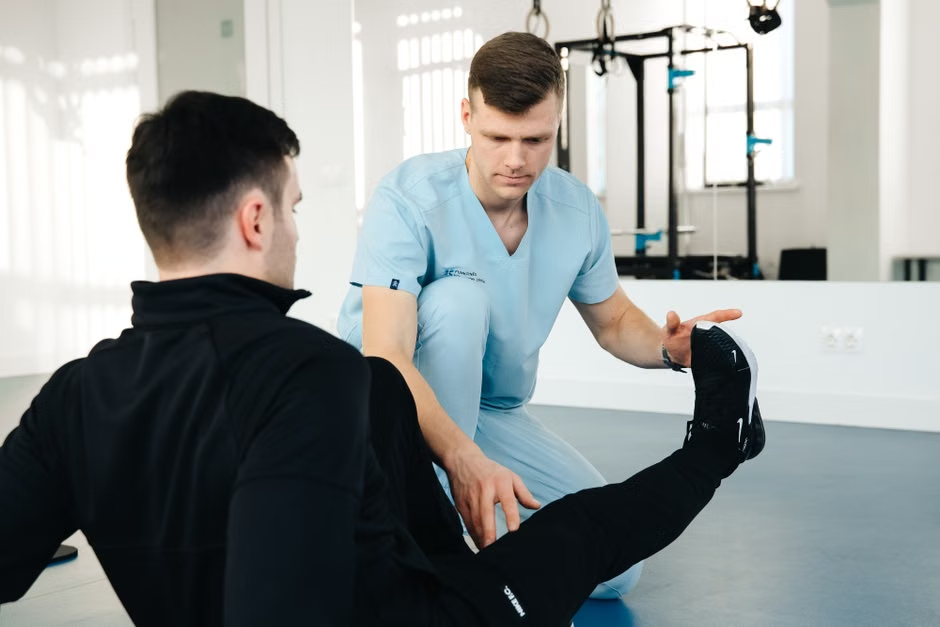
Maximizing your rehabilitation outcomes requires active participation and consistent effort beyond your clinic visits. These practical tips can help you stay on track and achieve your recovery goals more efficiently.
- Adhere to Your Home Exercise Program: Your therapist designs these exercises specifically for you. Doing them consistently, even on days you don’t feel like it, is crucial for sustained progress.
- Communicate Openly with Your Therapist: Report any changes in pain, new symptoms, or difficulties with exercises. This feedback allows your therapist to adjust your protocol effectively.
- Prioritize Rest and Nutrition: Adequate sleep and a balanced diet are fundamental for tissue repair and overall recovery. Don’t underestimate their impact.
- Manage Pain Proactively: Use prescribed pain management strategies or non-pharmacologic interventions as advised to ensure you can participate fully in your rehabilitation.
- Set Realistic Goals: Recovery is a journey, not a race. Celebrate small victories and understand that plateaus can occur. Patience is a virtue in rehabilitation.
- Stay Hydrated: Water is essential for every bodily function, including healing and muscle performance.
Remember, physical therapists play a forefront role in operational readiness in military and other federal environments. Enhancing quality care throughout the entire field is our shared responsibility, and that includes empowering you with the tools for self-care. We advocate for and provide high-quality care to our nation’s servants.
Navigating the path to recovery from combat injuries requires dedication, expertise, and a structured approach. Physical therapy protocols provide the evidence-based framework that ensures service members, veterans, and federal beneficiaries receive the highest standard of care, leading to optimal recovery and a return to full function and mission readiness. By fostering quality in patient care, professional growth, and integrated standards, we uphold our commitment to those who serve. We’re here to support rehabilitation that emphasizes readiness, disability prevention, and long-term cost control, ensuring our patients receive the specialized care they deserve.