
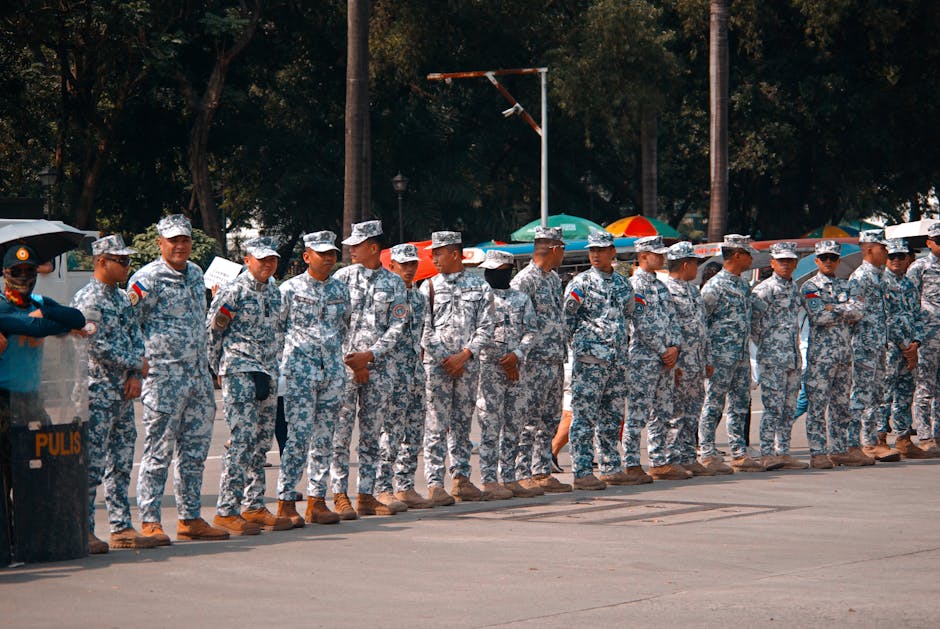
Maintaining peak physical readiness is non-negotiable for active service members across all federal defense and security services. The demanding nature of their roles, from high-stakes operational duties to intensive training regimens, places significant stress on the body. An injury doesn’t just impact an individual; it can compromise unit effectiveness, increase medical costs, and hinder overall mission capabilities.
That’s why proactive injury prevention isn’t merely beneficial; it’s a critical component of national defense strategy. When service members are sidelined, the ripple effect extends throughout their teams and operations. Our collective mission is to equip these dedicated individuals with the knowledge and physical resilience needed to perform their duties safely and effectively, minimizing downtime and maximizing their contributions.
At the Federal Physical Therapy Section (FPTS), we understand these challenges deeply. Our members, physical therapists and physical therapist assistants practicing within federal healthcare systems like the military and Veterans Affairs, are at the forefront of this effort. We foster quality in patient care, professional growth, and integrated standards, ensuring those who serve our nation receive high-quality care that supports their ongoing readiness. To learn more about our community and shared mission, we invite you to explore our home page.
Why is injury prevention crucial for defense and security services?
Injury prevention is crucial for defense and security services because it directly impacts operational readiness, reduces healthcare costs, and preserves the long-term health of our personnel. Minimizing injuries ensures that trained service members remain deployable and effective, preventing personnel shortages and maintaining mission continuity, which is vital for national security.
The operational landscape for our defense and security forces is unforgiving. Whether it’s the intense physical demands of combat, the rigorous training required for special operations, or the sustained vigilance in security roles, the body is constantly challenged. An injury can mean more than just a temporary absence; it can lead to permanent disability, affecting a service member’s career and quality of life. Our experience working directly with service members and veterans has shown us that investing in prevention significantly contributes to readiness, disability prevention, and long-term cost control for federal healthcare systems.
Preventative strategies are not just about avoiding immediate harm. They’re about building a resilient force capable of enduring prolonged periods of physical and mental stress. This systemic approach safeguards individual careers and strengthens the collective capacity of federal agencies to respond to threats and maintain national stability. We see firsthand how successful prevention programs uphold the integrity of our defense capabilities.
What are common injuries faced by active service members?
Active service members frequently encounter musculoskeletal injuries due to high-impact activities, heavy gear, and repetitive stress. These often include stress fractures, sprains (especially ankles and knees), lower back pain, shoulder impingements, and overuse syndromes like shin splints. Traumatic injuries from accidents or combat exposure also remain a significant concern, requiring specialized management.
In our practice, we have seen a consistent pattern of injuries linked to the unique demands of federal service. High-volume training, carrying heavy loads, and irregular terrain contribute significantly to these issues. For example, stress fractures in the lower extremities are common among new recruits undergoing intense physical conditioning, while chronic back pain can plague those involved in prolonged vehicle operations or manual labor. These conditions often stem from repetitive microtrauma or acute incidents during training and deployment.
Beyond the physical, the mental and emotional toll of service can also manifest physically, exacerbating pain and recovery times. That’s why a holistic approach to care, considering all aspects of a service member’s health, is paramount. Roger Carlson, a distinguished physical therapist within federal service, often emphasizes the importance of early intervention for these common issues to prevent them from becoming chronic barriers to readiness.

How do federal physical therapists enhance operational readiness?
Federal physical therapists enhance operational readiness by integrating injury surveillance, evidence-based conditioning programs, and rapid rehabilitation protocols directly into federal healthcare systems. We assess acute injuries such as sprains, stress fractures and develop specific exercise regimens which rebuild strength, flexibility and endurance with the least amount of downtime. This proactive and reactive approach ensures service members return to duty swiftly and safely, mitigating future risks.
Our expertise goes beyond treating existing injuries; it encompasses designing and implementing comprehensive prevention programs. We work closely with commanders and training staff to identify high-risk activities and develop modified protocols. This includes pre-deployment screenings, ergonomic assessments of workstations and vehicles, and specialized training to improve biomechanics for common tasks like lifting, carrying, and running. These interventions are crucial for maintaining a mission-ready force.
We also play a critical role in non-pharmacologic management of pain, reducing reliance on medications that could impair cognitive function or carry dependency risks. Our approach emphasizes movement education, therapeutic exercise, and manual therapy, empowering service members to manage their pain effectively while remaining functional. This aligns with federal priorities of safer pain management and supports sustained performance without adverse side effects. The National Institutes of Health (NIH) emphasizes the importance of non-pharmacologic interventions for chronic pain, highlighting methods like exercise therapy and physical therapy as effective strategies for pain reduction and improved function. This focus is integral to our work in federal systems.
“Early and consistent engagement with physical therapy for musculoskeletal concerns is a cornerstone of maintaining military readiness. It prevents minor issues from escalating and ensures personnel are always fit for duty.”
What strategies help prevent injuries in high-demand federal roles?
Effective injury prevention strategies for high-demand federal roles involve a multi-faceted approach centered on conditioning, education, and early intervention. These include tailored physical training programs that account for job-specific demands, comprehensive warm-up and cool-down routines, proper nutrition and hydration, adequate rest and recovery, and regular functional movement assessments. Understanding individual risk factors is also key.
Our members bring expertise in rehabilitation progression and grading protocols, which are vital for designing these strategies. We help implement programs that progressively challenge service members, building strength and endurance safely without overloading the body. This approach respects the principle of periodization, allowing for cycles of intense training followed by recovery, which is critical for preventing overuse injuries.
Key preventative strategies we advocate for include:
- Individualized Strength and Conditioning: Programs designed not just for general fitness but specifically for the physical requirements of their role, incorporating functional movements.
- Movement Education and Biomechanics: Teaching proper lifting, carrying, running, and jumping techniques to reduce strain on joints and muscles. Seek guidance from a federal physical therapist if unsure about technique.
- Nutrition and Hydration: Emphasizing the role of adequate fueling and fluid intake for optimal performance and recovery.
- Sleep Hygiene and Stress Management: Recognizing that recovery is as crucial as training for preventing fatigue-related injuries.
- Load Management: Gradually increasing training intensity and duration, avoiding sudden spikes that can overwhelm the body.
- Regular Mobility and Flexibility Work: Incorporating stretching, foam rolling, and dynamic mobility drills to maintain range of motion and reduce stiffness.
Moreover, our involvement in multidisciplinary rehabilitation teams in federal hospitals and clinics allows for a comprehensive perspective. We foster cross-agency communication, ensuring that successful prevention models from one branch can be adapted and implemented across others, enhancing quality care throughout the entire federal field.

How does physical therapy support non-pharmacologic pain management for federal personnel?
Physical therapy supports non-pharmacologic pain management for federal personnel by providing comprehensive, active strategies to address pain without medication. We utilize therapeutic exercise, manual therapy, posture retraining, and movement education to restore function, reduce pain, and improve overall physical capacity. Such interventions have the potential to decrease reliance on opioids and other high-risk medications, which is in line with federal priorities of safer care of pain.
For service members dealing with chronic pain or recovering from injuries, our approach focuses on empowering them with tools and techniques for self-management. This often involves teaching specific exercises to strengthen supporting muscles, improve joint stability, and correct movement patterns that contribute to pain. We also employ modalities like dry needling, therapeutic massage, and other manual techniques to alleviate muscle tension and improve tissue mobility.
Our federal healthcare system providers are keenly aware of the impact pain can have on mission readiness and quality of life. We are committed to offering effective, evidence-based alternatives to medication, particularly in populations where opioid use might present additional risks. By focusing on the root cause of pain and restoring normal movement, we help service members regain control over their bodies and their health, enabling them to remain mission-ready and independent. Many of our members who serve in Veterans Affairs facilities have direct experience treating chronic pain in combat-exposed populations, further underscoring our expertise in this critical area.
“Integrating physical therapy into pain management plans can significantly reduce the need for pharmacological interventions, offering a sustainable path to recovery and improved function.”
Realistic Outcomes and a Path to Sustained Readiness
When service members commit to a robust injury prevention program, guided by federal physical therapists, they can expect a significant reduction in the incidence and severity of musculoskeletal injuries. This isn’t about eliminating all risk, which is impossible in high-demand roles, but about building resilience and minimizing preventable setbacks. We typically see improvements in strength, endurance, flexibility, and overall movement efficiency within 6-12 weeks of consistent application, though individual results vary based on baseline fitness and specific job demands.
The long-term outcome is a more robust, adaptable force. Service members who proactively engage in prevention enjoy greater career longevity, reduced pain, and enhanced quality of life both in and out of uniform. They are better equipped to handle the physical rigors of their duties, contributing to sustained operational readiness. This commitment to physical well-being fosters a culture where health is prioritized, leading to a stronger, more capable federal defense and security service.
Sometimes, despite best efforts, injuries do occur. In these instances, prompt access to federal physical therapy ensures rapid assessment and targeted rehabilitation. Our role is to facilitate a safe and timely return to duty, grading return-to-duty plans to ensure the service member is fully prepared, not just symptom-free. This approach minimizes re-injury risk and supports long-term health. Our members’ affiliations across various federal agencies mean we often share best practices for return-to-duty protocols, ensuring a consistent, high standard of care for our nation’s servants. You can learn more about our diverse member affiliations here.
Practical Tips for Active Service Members to Prevent Injuries
Maintaining physical integrity in a demanding federal role requires consistent effort and smart strategies. Here are practical tips we recommend to help active service members minimize injury risk and optimize performance:
- Prioritize Proper Warm-up and Cool-down: Before and after any physical activity, dedicate 5-10 minutes to dynamic warm-ups and static stretches. This prepares muscles for exertion and aids in recovery.
- Master Foundational Movements: Focus on correct form for basic exercises like squats, deadlifts, presses, and carries. Poor mechanics are a leading cause of injury. Seek guidance from a federal physical therapist if unsure.
- Cross-Train Regularly: Incorporate varied activities like swimming, cycling, or yoga to develop different muscle groups and reduce repetitive stress on specific joints, fostering a more balanced physique.
- Ensure Adequate Recovery: Get 7-9 hours of quality sleep nightly. Recovery is when your body repairs and rebuilds. Consider active recovery days with light activity to aid circulation and flexibility.
- Stay Hydrated and Nourished: Proper nutrition fuels your body and helps repair tissues. Consistent hydration, especially in physically demanding environments, is vital for muscle function and preventing cramps.
- Listen to Your Body: Pay attention to persistent pain, fatigue, or discomfort. Don’t push through warning signs. Early intervention for minor issues can prevent them from becoming debilitating injuries.
By integrating these practices into daily routines, service members can significantly bolster their resilience against injury. It’s about building a robust, adaptive body capable of meeting the rigorous demands of federal service, ensuring they remain ready to respond to any challenge.
The commitment to serve our nation comes with inherent physical challenges, but it doesn’t have to mean inevitable injury. Through proactive physical therapy, education, and dedicated self-care, active service members can significantly reduce their risk, maintain peak performance, and ensure long, healthy careers. Our federal physical therapists are here to guide that journey, supporting the men and women who safeguard our defense and security, fostering a resilient force that is always mission-ready.