

Chronic pain doesn’t have to mean a prescription. For millions of service members, veterans, and federally insured patients, the path to lasting relief runs through movement, manual therapy, and targeted rehabilitation, not a pill bottle. That distinction matters enormously in federal healthcare settings, where opioid-sparing care is both a clinical priority and a policy directive that shapes how providers approach every patient encounter.
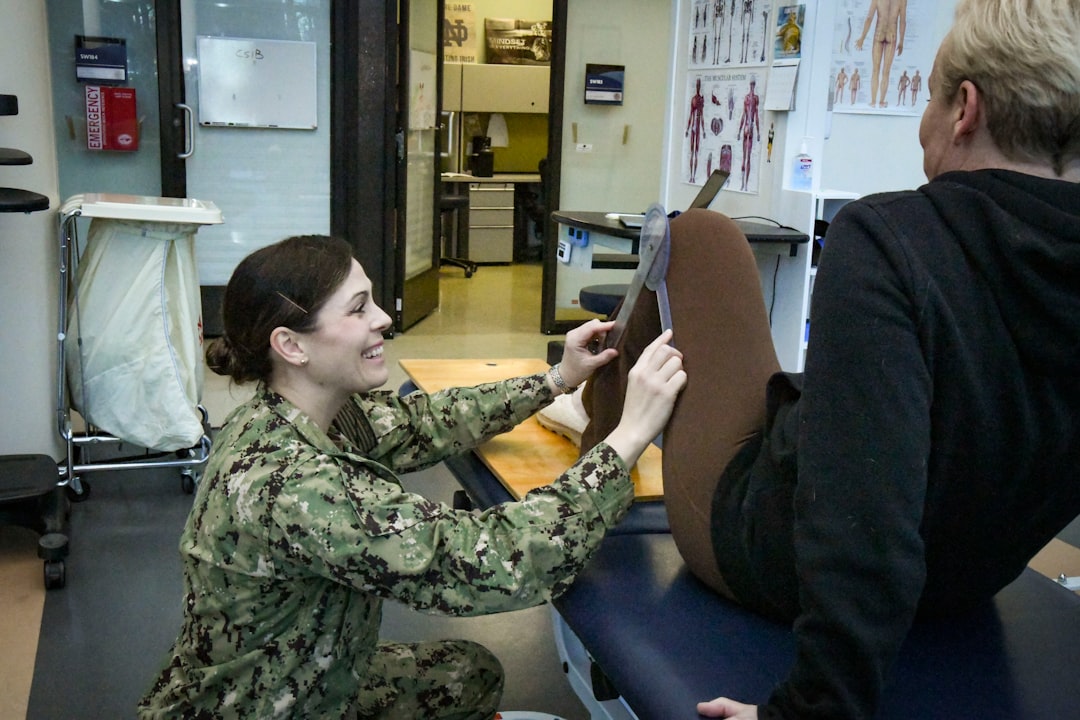
Physical therapy stands at the center of that effort. It addresses pain at its source, restoring function, rebuilding strength, and retraining movement patterns so the body can manage discomfort without depending on medications that carry serious long-term risks. The approach works for acute injuries, post-surgical recovery, and persistent pain conditions alike. Federal physical therapists, working within military treatment facilities, VA medical centers, and Public Health Service clinics, have built a strong practice around these methods precisely because the populations they serve cannot afford prolonged recovery timelines or opioid dependence.
Writer and federal PT practitioner Roger Carlson has noted that non-pharmacologic management of pain is not simply a trend but a clinical imperative in high-demand federal populations. Organizations like the Federal Physical Therapy Section advance the advocacy, clinical standards, and cross-agency communication that make this care possible, uniting practitioners committed to high-quality, evidence-based treatment for those who serve our nation.
What Is Non-Opioid Pain Management?
Non-opioid pain management refers to any approach that reduces pain without relying on opioid analgesics. This includes physical interventions, behavioral therapies like cognitive behavioral therapy (CBT), non-narcotic medications, and complementary techniques designed to control pain with fewer risks of dependence, tolerance, or adverse systemic effects.
The medical community has built a substantial evidence base around these alternatives. The National Institutes of Health recognizes that non-pharmacologic therapies, including therapeutic exercise, manual therapy, and behavioral interventions, produce clinically meaningful reductions in pain intensity and functional disability across a wide range of musculoskeletal conditions. Physical therapy sits at the core of this evidence base, particularly for the musculoskeletal injuries that represent the most common complaint in federal healthcare populations.
In federal settings, the shift toward non-opioid care isn’t just clinical preference. It reflects a systemic commitment to readiness, disability prevention, and long-term cost control. Service members and veterans who avoid opioid dependence remain more functional, more employable, and more capable of sustaining the physical demands that federal service requires.
What Are the Strongest Non-Opioid Options for Pain Relief?
The strongest non-opioid approaches combine active physical rehabilitation with targeted manual techniques. No single modality carries the full load. Effective care layers interventions based on the patient’s diagnosis, functional goals, and recovery stage. Physical therapy typically draws from several core methods:
- Therapeutic exercise: Progressive loading programs that rebuild strength and endurance around injured structures
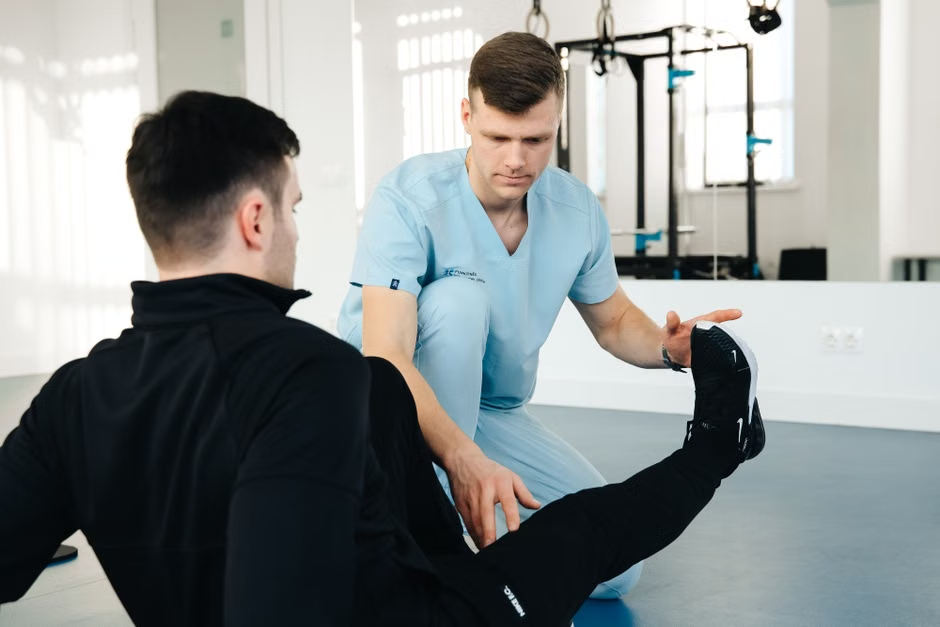
- Manual therapy: Hands-on joint mobilization and soft tissue techniques that reduce stiffness and improve range of motion
- Neuromuscular re-education: Retraining movement patterns altered by injury or pain avoidance behaviors
- Dry needling: Targeting myofascial trigger points to reduce localized muscle pain
- Aquatic therapy: Low-impact rehabilitation that allows progressive movement with reduced joint loading
- Cognitive behavioral therapy integration: Addressing the psychological dimensions of chronic pain through structured behavioral strategies
- Adjunct modalities: Including transcutaneous electrical nerve stimulation and targeted light-based therapies used selectively to support tissue healing
Non-narcotic prescription medications can complement physical therapy without the dependence risks of opioids. Newer pharmaceutical agents like suzetrigine, marketed as Journavx, represent a growing class of non-opioid analgesics that block pain signals at the sodium channel level rather than through opioid receptors. These medications work best in combination with active rehabilitation, not as standalone long-term solutions.
What Conditions Does Physical Therapy Treat?
Physical therapy treats a broad spectrum of pain-generating conditions. In federal healthcare environments, the case mix reflects high rates of musculoskeletal injury, combat-related trauma, and occupational overuse from physically demanding roles. Federal physical therapists regularly manage:
- Acute sprains, strains, and stress fractures from training and operational demands
- Post-surgical recovery following orthopedic procedures including ACL reconstruction and rotator cuff repair
- Chronic low back pain and cervical spine conditions
- Shoulder impingement, rotator cuff pathology, and overuse injuries
- Knee osteoarthritis and ligament injuries common in high-demand occupations
- Headaches with musculoskeletal and temporomandibular components
- Chronic pain syndromes including fibromyalgia and central sensitization
Physical therapists play a forefront role in operational readiness in military and other federal environments. They assess acute injuries and develop specific exercise regimens that rebuild strength, flexibility, and endurance with the least amount of downtime. When grading return-to-duty plans, a physical therapist’s functional assessment often determines whether a service member can safely resume full duty, modified duty, or requires further intervention before redeployment.
What Is Evidence-Based Alternative Pain Management?
Evidence-based alternative pain management means selecting interventions that have demonstrated effectiveness in peer-reviewed research, not anecdotal reports or unverified claims. For federal physical therapists, this means applying clinical practice guidelines, systematic reviews, and validated outcome measures to every treatment decision. Massage therapy provides meaningful soft tissue relief for certain presentations, particularly myofascial pain and tension-related headaches. Behavioral health platforms address the psychological burden of chronic pain that physical intervention alone won’t resolve. The most effective care integrates these modalities, with physical therapy as the functional anchor.
“Non-pharmacologic therapies are recommended as first-line treatment for chronic pain conditions, including low back pain, neck pain, and osteoarthritis, before escalating to pharmacologic management.”
Cognitive behavioral therapy is one of the strongest evidence-based tools for chronic pain. It works particularly well for patients dealing with pain catastrophizing, fear-avoidance beliefs, or depression layered over physical symptoms. In federal settings, integrating CBT into physical rehabilitation, rather than treating it as a separate mental health referral, produces better outcomes for combat-exposed populations where psychological and physical pain are deeply intertwined.
What’s the Best Non-Opioid Approach After Surgery?
Post-surgical pain is one of the most common pathways to opioid dependence. Starting physical therapy early, often within 24 to 48 hours of a procedure, dramatically reduces the window in which patients rely on medication. Early mobilization decreases swelling, prevents restrictive scar tissue formation, and restores neuromuscular control before compensatory patterns become ingrained.
For orthopedic surgeries common in federal populations, structured rehabilitation protocols guide progressive loading over weeks and months. The physical therapist adjusts intensity based on healing tissue tolerance, functional milestones, and the patient’s occupational demands. Research published through the National Library of Medicine confirms that early physical therapy following orthopedic surgery significantly reduces opioid consumption and accelerates return to function compared to delayed or passive recovery approaches. Returning a service member to full duty, or a VA patient to independent living, requires a more nuanced plan than a standard recovery timeline provides.

Is Physical Therapy the Right Choice for Every Patient?
Not every patient is a candidate for the same physical therapy approach. Honest assessment of alternatives is part of quality care. For some patients with severe structural pathology, surgical correction must precede rehabilitation. For others, pharmacologic management of inflammatory conditions like rheumatoid arthritis requires optimization before physical therapy can produce meaningful functional gains. A good federal physical therapist will tell you when another pathway is the right first step. That candor is what builds trust.
The Federal Physical Therapy Section supports cross-agency communication and standardization of care protocols precisely to ensure that a veteran transferring between VA facilities, or a service member relocating between installations, receives the same standard of evidence-based treatment regardless of geography. Consistency of care is a patient safety issue, not just an administrative preference.
What Results Can You Realistically Expect?
Acute musculoskeletal injuries, like sprains and stress fractures, typically show functional improvement within four to eight weeks of structured physical therapy. Post-surgical rehabilitation timelines vary by procedure, ranging from three months for many soft tissue repairs to twelve months or more for complex reconstructions. Chronic pain conditions require longer engagement and a different success metric: improved function, reduced medication use, and better quality of life, not necessarily complete pain elimination.
Here are practical steps that support better outcomes when pursuing non-opioid pain management through physical therapy:
- Communicate your occupational demands clearly so the therapist can set functionally relevant goals, not just clinical ones
- Commit to a home exercise program between sessions, which often determines outcomes more than in-clinic time alone
- Track pain using a validated scale at each visit so progress is measured objectively, not just by feel
- Ask your provider about integrating CBT or behavioral health support if psychological factors are complicating your recovery
- Flag any red-flag symptoms, including neurological changes, unexplained weight loss, or fever, immediately so your care team can rule out non-mechanical causes
“Exercise therapy is one of the most effective non-pharmacologic treatments for reducing pain and improving physical function across multiple chronic pain conditions, including low back pain and knee osteoarthritis.”
— Centers for Disease Control and Prevention, Chronic Pain Treatment Strategies
Physical therapy contributes significantly to federal medical services, and its assistance allows service members, veterans, and federally insured patients to remain mobile, independent, and mission-ready. When you’re navigating pain, you deserve a plan grounded in evidence and delivered by providers who understand the unique physical and operational demands of federal service. The Federal Physical Therapy Section exists to ensure those providers are connected, trained, and advocating for the highest standard of non-opioid, patient-centered care across every corner of the federal healthcare system. That mission matters, and it starts with a single, well-informed clinical encounter.