

Physical therapy contributes significantly to the federal medical services, and its assistance allows service members, veterans, and federally insured patients to remain mobile, independent, and mission-ready. Physical therapists play a central role in the frontline in systems where readiness, disability prevention, and long-term cost control need to be balanced. They do not only treat wounds, they assist to keep people in labor forces, minimize hospital visits and enhance the quality of life among large and diverse populations.
Supporting Readiness and Return to Duty

Physical therapists play a forefront role in operational readiness in military and other federal environments. They assess acute injuries such as sprains, stress fractures and develop specific exercise regimens which rebuild strength, flexibility and endurance with the least amount of downtime. They assist the personnel to move safely through limited activity to full operational tasks by grading return-to-duty plans, which minimizes the risk of re-injury. This will enable the agencies to maintain the service of seasoned employees and save unnecessary medical discharge expenses whenever feasible.
Managing Chronic Pain Without Over-Reliance on Medications
The Federal medical systems experience high levels of chronic musculoskeletal pains, particularly those that are in populations that have gone through repetitive strain, heavy loads, or combat trauma. Physical therapy provides non-pharmacologic management of pain using manual therapy, therapeutic exercise, posture retraining and movement education. Such interventions have the potential to decrease reliance on opioids and other high-risk medications, which is in line with federal priorities of safer care of pain. With time, the improved self-management skills such as home exercise programs and body mechanics training change into fewer flare-ups and reduced emergency and specialty care.
Rehabilitation After Surgery, Injury, and Illness
Improving Function and Independence for Veterans and Vulnerable Populations
Physical therapy, in the case of veterans and other federally covered groups with long-term disability, is aimed at maximizing the ability to perform and be independent. Therapists evaluate the requirements of assistive devices- canes, walkers, wheelchairs and train patients to use them safely. They also deal with the risk of falls by training balance and environmental advice, which allow individuals to spend more time safely in their homes. Telehealth-based physical therapy can increase access to physical therapy in rural areas or underserved regions by offering exercise coaching, and progress monitoring without needing regular travel to far-away locations.
Promoting Prevention and Population Health
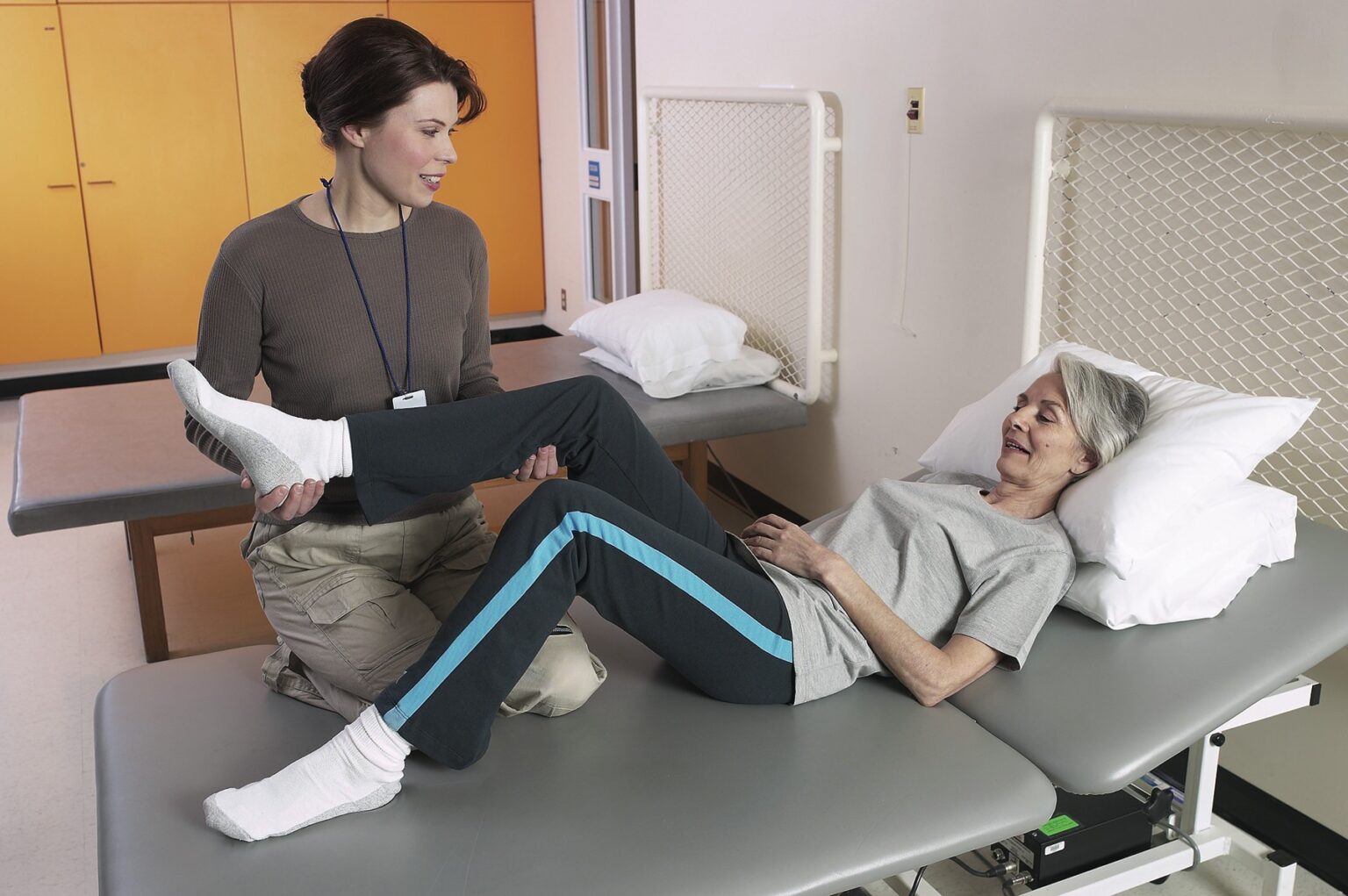
In addition to providing one-on-one care, physical therapists in federal systems also have a role in preventing and promoting population health. They assist in designing injury-prevention programs in the training settings, the workplace ergonomics of federal employees, and age, job demand and medical risk-specific fitness programs. Classes about back care, falls prevention or exercise to treat chronic diseases have a wider effect on a whole facility or installation. Through prevention, they assist the federal agencies to minimize the long-term disability expenses and have a healthier and more resilient workforce.
Integrating Physical Therapy into Team-Based Care
Team-based care is the key to effective federal medical services. Physical therapists work with physicians, nurse practitioners, behavioral health specialists, and case managers to develop co-ordinated treatment plans. They are objective measurements of mobility, strength, and endurance that are used to inform disability assessment, readiness, and return-to-work decisions. By being assigned a definite role in policy and program development, physical therapists can help federal systems shift out of the reactive procedure-driven care to the proactive, functional-driven care that will be beneficial to individuals and the population.