

Physical therapy plays a critical, yet often distinct, role across federal healthcare systems. While both military and Veterans Affairs (VA) settings are committed to high-quality patient care, the specific mandates, patient populations, and overarching goals lead to nuanced differences in their physical therapy approaches. Understanding these distinctions is crucial for providers and patients alike, especially those navigating care within these specialized environments.
For service members, the focus often centers on rapid recovery and return-to-duty, ensuring operational readiness. In contrast, the VA typically addresses long-term rehabilitative needs for veterans, managing chronic conditions and complex polytrauma sustained over years of service. Both systems embody the dedication to enhancing quality care for our nation’s servants, but they adapt their methods to meet the unique demands of their respective missions. Our organization, the Federal Physical Therapy Section, fosters quality in patient care, professional growth, and integrated standards across these diverse federal contexts, including advocating for excellence in the role of physical therapy in federal medical services.
As federal physical therapists, we leverage our collective expertise to ensure service members, veterans, and federally insured patients maintain mobility, independence, and the capacity to live full lives. Our insights, gathered from years of practice across various federal agencies, help illuminate these differences, providing clarity on how care is structured and delivered.
What is Federal Physical Therapy?
Federal physical therapy encompasses the assessment, diagnosis, and treatment of movement dysfunctions for individuals served by federal healthcare systems. This includes active-duty military personnel, veterans, Public Health Service officers, and other federal employees. It is a specialized field that integrates standard physical therapy principles with the unique demands and regulations of government healthcare. This often means addressing injuries common to military service, managing complex chronic pain, and facilitating mission-ready returns or long-term functional independence.
Physical therapists in these settings are integral to multidisciplinary teams, providing comprehensive care. They apply evidence-based practices to prevent disability, restore function, and improve quality of life. According to the American Physical Therapy Association (APTA), physical therapy is a dynamic profession with an established theoretical and scientific base and widespread clinical application in the restoration, maintenance, and promotion of optimal physical function. The application within federal systems tailors this broad definition to specific populations and operational needs. For example, therapists might focus on preventing musculoskeletal injuries in active-duty personnel or developing non-pharmacologic management of pain strategies for veterans with chronic conditions, aligning with federal priorities for safer care. As we explain in our detailed guide on federal scope of practice for physical therapists, our practitioners operate within well-defined parameters to deliver specialized care.

What are the primary differences between Military and VA Physical Therapy?
The primary distinctions between military and VA physical therapy approaches stem from their patient populations and mission objectives. Military PT focuses on acute injury management, rapid rehabilitation, and return-to-duty for active service members, emphasizing peak physical performance and operational readiness. VA PT, conversely, caters to veterans with often chronic, complex conditions, focusing on long-term functional independence, pain management, and improving overall quality of life.
In military clinics, we frequently see service members with acute musculoskeletal injuries sustained during training or deployment. The goal is often to get them back to their units as quickly and safely as possible. This requires grading return-to-duty plans meticulously. Our experience serving service members has shown us the immense pressure to recover swiftly, which shapes treatment plans towards aggressive, functional rehabilitation. This aligns with the overall military objective of maintaining a healthy and deployable force, as detailed in our guidelines on military physical therapy standards and requirements.
The VA system, however, serves a population that has often endured years or even decades of physical and psychological stressors. Here, we encounter a higher prevalence of chronic pain, degenerative conditions, and complex polytrauma. Treatment plans are often longer-term, focusing on pain modulation, adaptive strategies, and improving daily living activities. For instance, in our practice, we’ve seen how effectively non-pharmacologic management of pain can significantly improve a veteran’s quality of life, reducing reliance on opioids and other high-risk medications. This focus on chronic care and long-term well-being is a hallmark of VA physical therapy services, which are critical for veterans, as we explain in VA physical therapy services: what veterans need to know.
“Physical therapists are key in managing the spectrum of injuries and conditions prevalent in both military and veteran populations, adapting their care to either facilitate quick return-to-duty or support long-term functional recovery and quality of life.”
What are the three types of physical therapy?
Physical therapy typically encompasses three main areas: orthopedic, neurological, and cardiopulmonary rehabilitation. Orthopedic PT addresses musculoskeletal injuries, neurological PT focuses on conditions affecting the nervous system, and cardiopulmonary PT helps patients improve heart and lung function, all aimed at restoring movement and function.
These broad categories allow physical therapists to specialize and provide targeted care.
- Orthopedic Physical Therapy: This is perhaps the most common type, dealing with injuries and conditions affecting the muscles, bones, ligaments, and tendons. In federal settings, this includes everything from sprains and stress fractures among active-duty personnel to degenerative joint disease in veterans. We provide therapeutic exercise, manual therapy, and movement education to alleviate pain and restore strength.
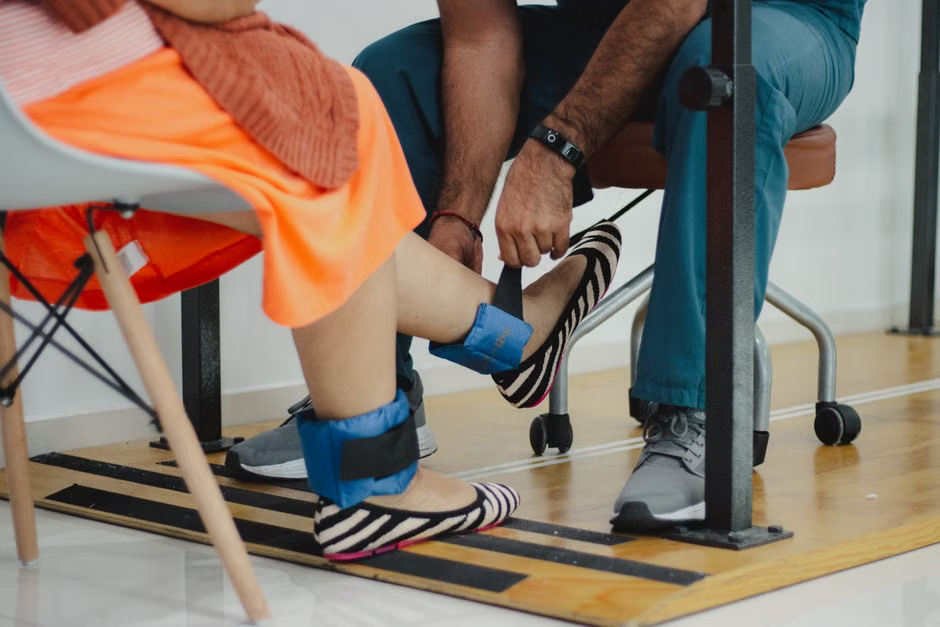
- Neurological Physical Therapy: This branch focuses on patients with neurological disorders such as stroke, spinal cord injury, Parkinson’s disease, or traumatic brain injury. Federal physical therapists assist these patients in regaining balance, coordination, strength, and mobility, often using specialized techniques and adaptive equipment.
- Cardiopulmonary Physical Therapy: This area helps individuals with heart and lung conditions, like chronic obstructive pulmonary disease (COPD) or post-cardiac surgery recovery. Therapists work to improve endurance, breathing efficiency, and overall cardiovascular health.
Each type requires specific knowledge and skills, ensuring that care is tailored to the complex needs of the patient.
How does physical therapy contribute to operational readiness?
Physical therapy significantly contributes to operational readiness by minimizing downtime from injury, optimizing physical performance, and developing injury prevention programs for service members. We assess acute injuries such as sprains, stress fractures, and develop specific exercise regimens which rebuild strength, flexibility, and endurance with the least amount of downtime, directly supporting the ability of personnel to remain mission-ready.
Our work ensures service members can perform their duties effectively and safely. For instance, in military settings, physical therapists are embedded with units, providing immediate care and guiding rehabilitation that is specific to military occupational specialties. This direct involvement helps prevent minor issues from becoming debilitating injuries. We also conduct screenings and implement pre-habilitation programs to prepare individuals for the physical demands of deployment or specialized training, significantly reducing injury risk. According to Roger Carlson, a professional in our community, “The agility and expertise of federal physical therapists in managing tactical athletes directly impacts the readiness of our forces. We’re not just treating injuries; we’re preserving combat effectiveness.”
Beyond individual care, physical therapists contribute to broader readiness by advising on training protocols and equipment ergonomics. This preventive aspect is vital for long-term cost control and disability prevention, ensuring that our nation’s military remains strong and resilient. The ability to return to peak physical condition quickly and safely is paramount for those serving in high-demand environments.
What conditions do federal physical therapists treat?
Federal physical therapists treat a wide array of conditions, adapting their expertise to the diverse needs of active-duty service members and veterans. We address musculoskeletal, neurological, and cardiopulmonary issues, often complicated by the unique stressors of military service and complex medical histories.
- Acute sprains, strains, and fractures
- Chronic low back pain and neck pain
- Post-surgical rehabilitation (e.g., knee, shoulder, spine)
- Traumatic brain injury (TBI) and concussion symptoms
- Amputee rehabilitation and prosthetic training
- Peripheral neuropathy and nerve impingements
- Osteoarthritis and other degenerative joint conditions
- Vestibular dysfunctions and balance disorders
Our approach often involves multidisciplinary collaboration, particularly in the VA system, where veterans might have multiple co-existing conditions, including chronic pain or mental health challenges. Board-certified providers recommend an integrated care model to address the whole person, optimizing outcomes for complex patient presentations.
“The comprehensive nature of physical therapy allows for tailored interventions across a broad spectrum of conditions, from acute sports injuries in active service members to chronic pain and functional decline in veterans.”
What are the benefits of direct access physical therapy in federal settings?
Direct access physical therapy in federal settings allows service members and veterans to see a physical therapist without first obtaining a referral from a physician. This significantly reduces wait times, accelerates access to care, and can lead to faster recovery, improved outcomes, and lower overall healthcare costs, particularly for musculoskeletal conditions. It streamlines the care process, getting patients to the right provider sooner.
When service members or veterans can directly access physical therapy, it often means they receive care for their injuries or pain more promptly. This early intervention can prevent conditions from worsening, reducing the need for more intensive or prolonged treatments later. For active-duty personnel, faster access means a quicker return to duty and improved mission readiness. For veterans, it means less time in pain and a more efficient path to regaining function. The collective membership across military, VA, and federal agencies supports approaches that enhance access and efficacy of care. We understand that efficient care pathways are vital for a busy population, which is why we continue to advocate for such benefits.
Moreover, direct access empowers patients to take a more active role in their health management. It demonstrates trust in the physical therapist’s ability to accurately diagnose and treat common musculoskeletal issues independently, or to refer to another specialist when appropriate. This autonomy can foster greater patient engagement and adherence to treatment plans. While direct access varies by state and federal regulation, expanding its reach within federal systems represents a significant step towards enhancing quality care throughout the entire field. You can read more about specific coverage and eligibility for these services in our post on TRICARE physical therapy coverage: benefits and eligibility.
Considering Alternatives and Suitability
While physical therapy is a highly effective intervention for a vast range of conditions, it’s not always the sole answer, and sometimes, other approaches or complementary therapies are more suitable or can be integrated into a comprehensive plan. Our professional organization believes in holistic care and building massive trust with our patients by acknowledging when other avenues might be beneficial. For complex pain conditions, for instance, a purely biomechanical approach may not be sufficient without addressing psychological factors.
We often work in conjunction with pain management specialists, occupational therapists, and mental health professionals, especially for veterans dealing with chronic pain, PTSD, or traumatic brain injuries. These alternatives or complementary services might include:
- Pain Psychology: For veterans with chronic pain, integrating psychological support can be incredibly beneficial, focusing on coping strategies and pain reprocessing.
- Occupational Therapy (OT): While similar in some ways, OT primarily focuses on improving a person’s ability to perform daily living activities and adapting environments to enhance function. PT and OT often work hand-in-hand.
- Pharmacological Management: For acute pain or certain inflammatory conditions, medication may be a necessary adjunct, though federal priorities increasingly emphasize non-pharmacologic options.
- Surgical Intervention: In severe cases, especially for structural damage, surgery may be a prerequisite to allow physical therapy to be effective.
- Nutritional Counseling: For conditions related to inflammation or metabolic health, dietary changes can support overall recovery and well-being.
Our commitment to enhancing quality care means recognizing the limits of any single discipline and advocating for the best possible outcomes, even if it involves recommending services beyond physical therapy.
What to Expect from Federal Physical Therapy
When engaging in federal physical therapy, you can expect a comprehensive and personalized approach. Your initial visit will typically involve a thorough evaluation, including a detailed history, physical examination, and functional assessment. Based on this, your therapist will develop an individualized treatment plan tailored to your specific goals and condition.
Treatment sessions will involve a combination of therapeutic exercises, manual therapy techniques, movement education, and modalities as appropriate. For many musculoskeletal conditions, you might start seeing noticeable improvements in pain and function within 2-4 weeks, though full recovery can take several months, especially for chronic issues or post-surgical rehabilitation. For instance, recovery from a complex spinal injury might involve a multi-year rehabilitation trajectory. Our collective experience across military and VA clinics shows that consistency and adherence to home exercise programs are critical for achieving optimal results. Throughout your journey, your progress will be regularly assessed, and your treatment plan adjusted to ensure the most effective path to recovery and improved physical function.
Practical Tips for Maximizing Your Federal PT Experience
Making the most of your physical therapy journey in a federal healthcare system involves active participation and understanding the process. Here are some practical tips we’ve gathered from years of clinical practice:
- Be an Active Participant: Your physical therapist is your guide, but you’re in the driver’s seat. Ask questions, communicate your pain levels honestly, and actively engage in your exercises.
- Adhere to Your Home Exercise Program: The work you do at home between sessions is just as, if not more, important than the time spent in the clinic. Consistency is key to long-term success.
- Understand Your Goals: Clearly articulate your personal goals to your therapist, whether it’s returning to full duty, being able to play with grandchildren, or improving your ability to perform daily tasks. This helps tailor your treatment.
- Utilize All Resources: Federal healthcare systems often have excellent resources, from adaptive sports programs in the VA to wellness initiatives in military installations. Inquire about services that can complement your PT.
- Communicate with Your Entire Care Team: If you’re seeing multiple specialists (e.g., pain management, mental health), ensure your physical therapist is aware and can coordinate care effectively, fostering cross-agency communication.
- Be Patient and Persistent: Healing and regaining function take time. There might be good days and bad days, but consistent effort leads to progress.
By taking an active role in your care and leveraging the expertise available, you’ll be well-positioned to achieve your rehabilitation goals. The professional organization for federal physical therapists and assistants supports its members in delivering high-quality care to our nation’s servants, driving excellence through collaboration, education, and advocacy, ultimately fostering your professional growth.