
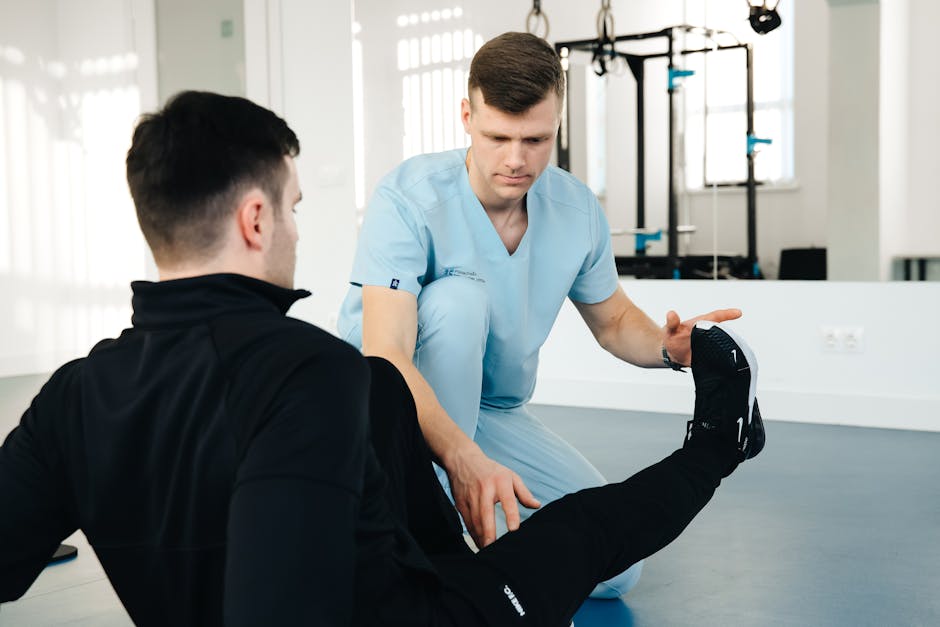
In the demanding environment of federal healthcare, physical therapy managers don’t just oversee clinics; they lead teams dedicated to the readiness and recovery of service members, veterans, and federally insured patients. This role requires a unique blend of clinical insight, administrative acumen, and, critically, strong leadership. Without effective leadership, even the most skilled clinicians can struggle to achieve coordinated, high-quality patient outcomes and meet complex operational goals.
The challenges are significant: navigating federal regulations, optimizing resource allocation, fostering team cohesion across diverse clinical settings, and driving continuous improvement in patient care. It’s a position that demands foresight, adaptability, and the ability to inspire. Investing in leadership development for physical therapy managers isn’t merely about career progression; it’s about fortifying the very backbone of our federal physical therapy services.
At the Federal Physical Therapy Section (FPTS), we recognize the pivotal role our managers play. Our mission, as a professional organization, is to support physical therapists and assistants within federal healthcare systems by advancing clinical excellence, advocacy, and professional development. We believe that empowering our leaders is paramount to fostering quality in patient care and ensuring our personnel remain mission-ready. To learn more about our commitment to professional growth and integrated standards, you can always visit our homepage.
What is Leadership in Physical Therapy?
Leadership in physical therapy is the ability to guide, inspire, and empower individuals and teams to achieve shared goals, ultimately enhancing patient care and organizational effectiveness. It involves setting a clear vision, making informed decisions, fostering collaboration, and continuously developing one’s own and others’ potential within the specific context of rehabilitation sciences and federal healthcare systems.
For a physical therapy manager, leadership extends beyond clinical expertise. It encompasses strategic planning for clinic operations, ensuring compliance with federal guidelines, and mentoring staff. Leaders within federal systems are often responsible for grading return-to-duty plans for military personnel or developing non-pharmacologic management of pain strategies for veterans. This isn’t simply about managing tasks; it’s about cultivating an environment where every team member can provide high quality care to our nation’s servants. Strong leadership directly impacts how effectively a clinic can contribute to readiness, disability prevention, and long-term cost control.
“Effective leadership in healthcare is intrinsically linked to patient safety, staff retention, and organizational efficiency. It fosters a culture of accountability and continuous improvement that is vital in complex medical environments.”
What Examples Illustrate Effective Leadership for PT Managers?
Effective leadership in physical therapy management is demonstrated through actions that streamline operations, improve patient outcomes, and develop staff capabilities. Examples include successfully implementing new evidence-based treatment protocols, leading interdisciplinary teams to optimize care pathways, and championing professional development initiatives that enhance staff skills and morale.
Consider a scenario where a PT manager in a Veterans Affairs (VA) facility identifies a need for improved chronic pain management. An effective leader would initiate a program focusing on non-pharmacologic interventions, secure necessary resources, train staff on new techniques like therapeutic exercise and movement education, and track patient outcomes to demonstrate efficacy. They might establish cross-agency communication protocols with other VA clinics to standardize pain management approaches, enhancing quality care throughout the entire field. Such an initiative improves patient quality of life and aligns with federal priorities of safer care of pain.
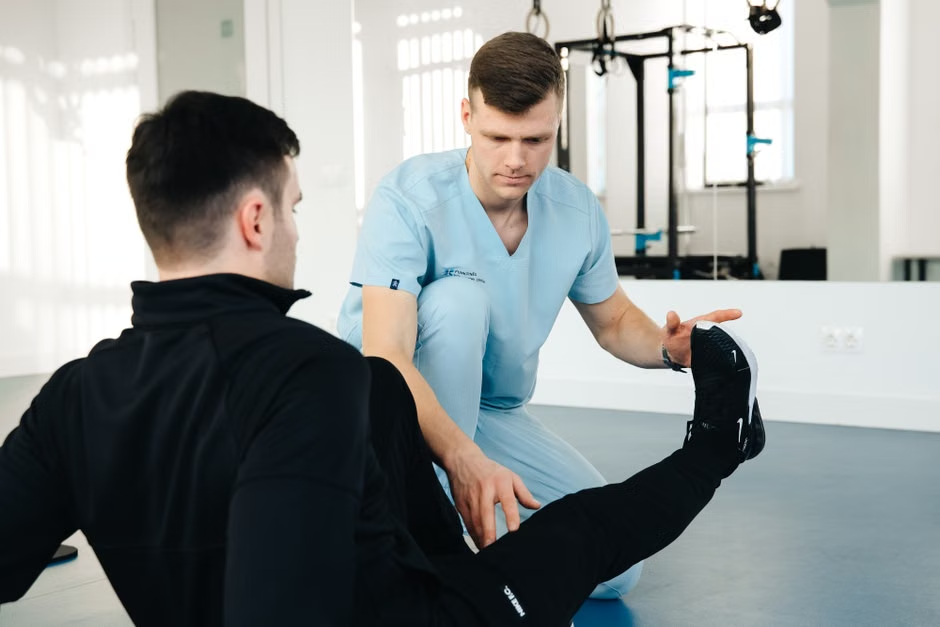
Another example involves a manager in a military treatment facility overseeing the rehabilitation of service members with acute injuries such as stress fractures. A proactive leader would streamline the return-to-duty process, collaborating closely with surgeons and commanding officers. They would ensure robust pre-deployment readiness programs are in place, reducing injury rates, and developing specific exercise regimens which rebuild strength, flexibility and endurance with the least amount of downtime. In our practice, we’ve observed that such proactive measures not only get service members back to duty faster but also foster trust and confidence in the medical system.
How Can Physical Therapy Managers Access Leadership Courses?
Physical therapy managers can access leadership courses through various avenues, including professional organizations like the Federal Physical Therapy Section, university executive education programs, online learning platforms, and specialized healthcare management certifications. These programs often focus on developing skills pertinent to both clinical excellence and administrative oversight, preparing managers for the complexities of leading healthcare teams.
For those within federal healthcare systems, specific programs are often tailored to the unique regulatory and operational environment. Board-certified providers often emphasize the importance of leadership training that addresses topics like federal compliance, resource stewardship, and inter-agency collaboration. We, as an organization dedicated to the specific needs of federal PTs, continually work to provide pathways for our members to engage in meaningful professional development that fosters quality in patient care and professional growth. This includes developing resources for enhancing cross-agency communication and integrated standards across various federal settings.
When considering a leadership course, it’s wise to evaluate programs based on their relevance to your specific role and career trajectory. Look for curricula that cover:
- Strategic planning and goal setting
- Financial management and budgeting
- Team building and conflict resolution
- Performance management and staff development
- Policy interpretation and advocacy
These core competencies, whether gained through formal courses or mentorship, are critical for managers aiming to drive excellence. Roger Carlson, a dedicated professional in our network, often highlights that the most impactful leadership development comes from combining theoretical knowledge with practical application in one’s daily work.

What Free Leadership Development Options Are Available for PT Managers?
Free leadership development options for physical therapy managers typically include online courses from reputable universities, open-access resources from government agencies, leadership podcasts, webinars hosted by professional associations, and mentorship opportunities. Many platforms offer introductory modules or full courses at no cost, allowing managers to build foundational leadership skills and explore new concepts.
The accessibility of free resources has grown significantly. Many federal agencies, such as the Department of Veterans Affairs and the Department of Defense, offer internal training programs that include leadership modules for their employees. Additionally, major educational institutions often provide free courses or lectures through platforms like Coursera, edX, or even directly on their university websites. These can be excellent starting points for understanding management theories or specific leadership styles.
Here are some avenues to explore for free leadership development:
- Government Resources: Check the training portals of your specific federal agency (e.g., VA Talent Management System, DoD Civilian Leadership Development Programs). These often contain extensive free content tailored to federal employees.
- University OpenCourseWare: Institutions like Harvard and MIT offer free access to course materials, including lectures and readings on leadership and management principles. For example, Harvard Business School Online often has free webinars and introductory courses on leadership topics.
- Professional Association Webinars: Many physical therapy and healthcare management associations offer free webinars, often for continuing education credit, that cover leadership topics relevant to PT managers.
- Podcasts and Books: Numerous high-quality podcasts and public domain books on leadership are available, offering insights from experienced leaders and academics.
- Mentorship: Seeking guidance from experienced PT managers or senior leaders within your organization is invaluable. Many seasoned professionals are willing to share their knowledge and experience, offering practical insights that formal training might not cover. This approach provides tailored advice and real-world context for leadership challenges.
“Investing in leadership training, whether through paid courses or free resources, consistently demonstrates a positive return on investment in healthcare settings, improving team morale, operational efficiency, and ultimately, patient satisfaction.”
For federal PT professionals, leveraging these free resources can complement more structured development programs. It’s a pragmatic approach to continuously refine skills and stay abreast of best practices without additional financial burden, ultimately contributing to your ability to lead with confidence and competence.
Strong leadership is not just a personal asset; it’s a collective advantage for the entire federal physical therapy community. By embracing development opportunities, both formal and informal, managers within our federal healthcare systems can foster environments that consistently deliver high quality care, empower their teams, and uphold the highest standards of professional practice. We encourage all physical therapy managers to actively seek out and utilize these resources to further their professional journey and enhance their contributions to the vital services we provide.