
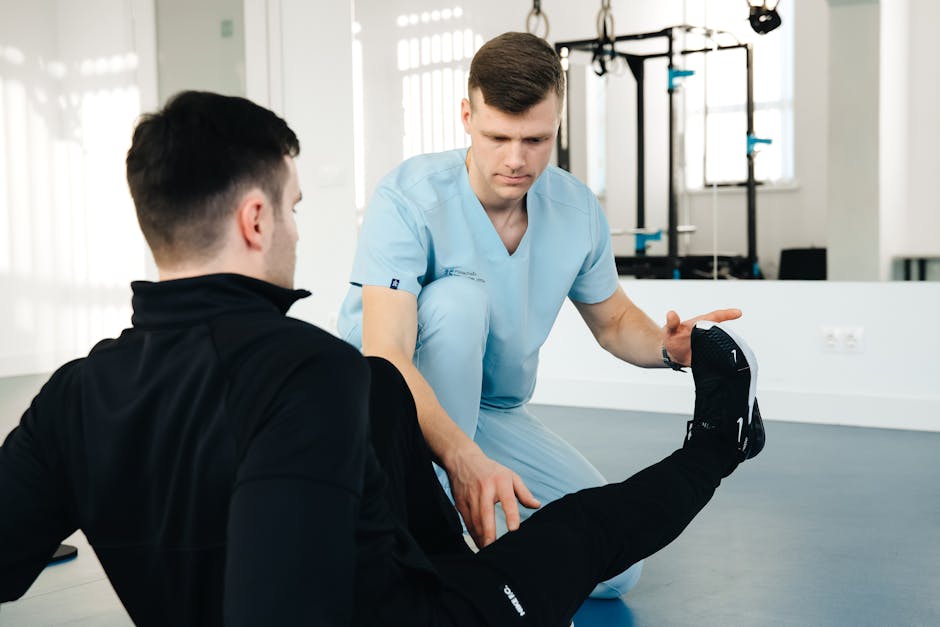
For physical therapists and physical therapist assistants working within federal healthcare systems, the drive to improve patient outcomes and advance clinical practice never stops. We’re deeply committed to providing high quality care to our nation’s servants, veterans, and federally insured patients. This commitment naturally leads many of us to consider how we can contribute beyond direct patient contact: through research.
Engaging in research offers a powerful avenue to shape the future of physical therapy, validate existing interventions, and discover innovative approaches to patient care. It’s how we ensure that our practices are evidence-based and continually evolving. It’s also a significant pathway for professional development, fostering quality in patient care, professional growth, and integrated standards across our diverse federal agencies.
The Federal Physical Therapy Section actively supports members who wish to explore and contribute to the body of knowledge in our field. We believe that by engaging in rigorous inquiry, we enhance the collective expertise of federal physical therapy professionals, ultimately improving the lives of those we serve. To understand more about our mission, we invite you to read about The Role of Physical Therapy in Federal Medical Services.
What is the Foundation for Physical Therapy Research?
The Foundation for Physical Therapy Research is a non-profit organization dedicated to funding and promoting physical therapy research. It aims to improve the health and function of individuals by supporting scientific inquiry into the prevention, diagnosis, and treatment of movement-related disorders.
Understanding the fundamental mechanisms behind therapeutic interventions allows us to refine our approaches. In our practice, we’ve seen firsthand how studies into biomechanics, exercise physiology, and pain science directly translate into better patient management strategies, especially for complex populations like service members returning to duty or veterans managing chronic conditions. According to the National Institutes of Health (NIH), clinical research is “a branch of healthcare science that determines the safety and effectiveness (efficacy) of medications, devices, diagnostic products and treatment regimens intended for human use.” This definition perfectly encapsulates the scope and ambition of what we aim to achieve in federal physical therapy research.
“Evidence-based practice in physical therapy relies heavily on strong research foundations to ensure patients receive the most effective and safest interventions. Funding for this research is crucial for advancing clinical knowledge and patient outcomes.”
Our federal providers, like Roger Carlson, often leverage their clinical settings for vital research. They can access diverse patient populations and unique environments, such as military readiness facilities or VA poly-trauma units, providing valuable data that might be difficult to gather elsewhere. This contributes significantly to understanding mission-ready protocols and optimizing recovery.
What are common physical therapy research topics?
Common physical therapy research topics span injury prevention, rehabilitation efficacy, chronic pain management, and functional outcomes for specific populations like military personnel or veterans. Researchers often investigate non-pharmacologic strategies, movement patterns, and the impact of PT interventions on quality of life and operational readiness.
Within federal systems, we focus on questions with direct applicability to our unique patient populations. This includes studying optimal rehabilitation strategies for combat-related injuries, understanding the long-term effects of deployment on musculoskeletal health, and developing effective protocols for chronic pain management without medication. We also delve into areas like telehealth delivery, grading return-to-duty plans, and the impact of physical therapy on mental health outcomes.
Some key areas of inquiry frequently explored include:
- Operational Readiness: Research on rapid recovery protocols, injury prevention programs for active-duty personnel, and performance optimization.
- Chronic Pain Management: Studies on the efficacy of various non-pharmacologic interventions for persistent pain, particularly relevant for veterans and service members.
- Traumatic Brain Injury (TBI) & Polytrauma: Investigating rehabilitation strategies for complex injuries often seen in federal healthcare.
- Telehealth & Remote Care: Assessing the effectiveness and accessibility of delivering physical therapy services virtually to geographically dispersed federal beneficiaries.
- Healthcare System Efficiency: Research into process improvements, cross-agency communication, and cost-effectiveness of physical therapy interventions within federal budgets.
- Disability Prevention: Long-term studies focusing on maintaining function and preventing secondary conditions in aging veteran populations.
“The complexity of injuries sustained in military operations necessitates ongoing research into novel rehabilitation techniques. These studies inform best practices that restore function and improve the quality of life for our service members.”
What roles exist in Physical Therapy research jobs?
Physical therapy research jobs encompass a range of roles, from clinical researchers who conduct studies with patients to data analysts, research coordinators, and academic investigators. These positions often require advanced degrees, strong analytical skills, and a deep understanding of research methodology and statistical analysis.
For federal PT professionals, roles can vary significantly. Some practitioners integrate research directly into their clinical duties, participating in ongoing studies or collecting data as part of their daily patient care. Others might pursue dedicated research positions within federal agencies, universities with federal grants, or research institutes affiliated with military or VA hospitals. These roles are pivotal for driving clinical excellence and reinforcing the collective body of knowledge in our field.
You might find opportunities as a:
- Clinical Research PT: Directly involved in patient recruitment, intervention delivery, and data collection within a clinical trial setting.
- Research Coordinator: Manages the logistics of a research project, ensuring compliance with protocols and regulatory requirements.
- Data Analyst: Specializes in processing and interpreting quantitative and qualitative data gathered from studies.
- Principal Investigator: Leads research projects, secures funding, designs studies, and oversees the entire research team.
- Academic Researcher: Often affiliated with university programs, conducting research, publishing findings, and mentoring students.
- Program Evaluator: Assesses the effectiveness and efficiency of existing physical therapy programs within federal systems.
Where can I find grants for Physical Therapy equipment?
Grants for physical therapy equipment can often be found through federal agencies like the NIH or Department of Defense, professional organizations such as the APTA’s Foundation for Physical Therapy Research, and private foundations. Universities and hospitals with strong research arms also frequently seek funding for specialized equipment.
Securing funding for equipment is a critical step for many research endeavors. Specialized equipment, whether it’s advanced gait analysis systems, high-fidelity simulation tools, or innovative rehabilitation robotics, allows us to conduct more precise and impactful studies. We encourage federal PTs to explore grants that align with federal priorities, such as enhancing operational readiness, improving non-pharmacologic management of pain, or advancing long-term cost control through effective rehabilitation.

How Federal PT Research Works in Practice
The journey from a research question to a published study in federal physical therapy involves several stages. It often begins with an observation in the clinic or a need identified by military command or VA leadership. Our board-certified providers, with their direct experience serving service members, veterans, and federally insured patients, are perfectly positioned to identify these crucial gaps in knowledge.
Once a research question is formulated, a team typically forms, often multidisciplinary, involving physical therapists, physicians, and other healthcare professionals. The team then designs a study, obtains ethical approval from an Institutional Review Board (IRB), secures funding, and collects data. This data is meticulously analyzed, and the findings are disseminated through peer-reviewed publications, presentations at professional conferences, and internal reports that inform policy and practice within federal healthcare systems. This rigorous process ensures the validity and reliability of our findings, contributing to higher quality care.
Beyond Direct Patient Care: Contributing Through Research
While direct clinical practice is the core of physical therapy, research offers a different, yet equally vital, pathway for contribution. It’s not for everyone, and we acknowledge that many practitioners find immense satisfaction and professional growth solely within the clinical setting. Sometimes, the best path for professional development is to focus on honing clinical skills, pursuing specialization, or taking on leadership roles within existing clinical structures.
However, for those drawn to inquiry and evidence generation, research provides an unparalleled opportunity. It allows us to influence care on a broader scale, affecting protocols and guidelines that impact thousands of patients across different federal agencies. We believe in advancing clinical excellence through multiple avenues, and research is a powerful one. We recognize that sometimes, the greatest impact comes from identifying and implementing existing evidence-based practices rather than always generating new research. Our collective expertise includes both. We also recommend considering alternative pathways for professional growth such as advanced clinical certifications or leadership training if a dedicated research career isn’t the immediate goal.
Realistic Outcomes: What to Expect from Engaging in Research
Engaging in physical therapy research within a federal system offers profound rewards, though the timeline for seeing widespread impact can vary. Initially, you’ll gain invaluable skills in critical thinking, data analysis, and scientific writing. You’ll contribute to a specific project, perhaps influencing a local clinic’s protocol or adding a piece to a larger national study.
Over the medium term, your work might lead to publications in peer-reviewed journals or presentations at national conferences. This boosts your professional reputation and contributes to the collective knowledge base. In the long term, successful research can translate into updated clinical practice guidelines, new federal policies, or improved healthcare delivery models for military, VA, and Public Health Service beneficiaries. This journey requires patience and persistence, but the potential for meaningful, lasting change is significant. It’s how we foster quality patient care and advance integrated standards.
Practical Tips for Aspiring Federal PT Researchers
Are you a physical therapist or assistant in a federal system considering a deeper dive into research? Here are some practical steps you can take:
- Start Small: Begin by assisting on existing projects at your facility. This offers hands-on experience without the pressure of leading a study. Many federal hospitals and clinics have ongoing research initiatives where you can learn the ropes.
- Network Actively: Connect with colleagues who are already involved in research. Reach out to mentors in academic or research-focused federal facilities. The Federal Physical Therapy Section provides an excellent platform for this kind of professional networking and mentorship.
- Enhance Your Skills: Consider taking courses in research methodology, biostatistics, or grant writing. Many universities offer online certificates or master’s programs that can strengthen your research foundation.
- Identify a Mentor: A seasoned researcher can provide invaluable guidance, help you refine your research questions, and navigate the often-complex world of institutional review boards and funding applications.
- Stay Current with Literature: Regularly read peer-reviewed journals relevant to your clinical interests. This helps you identify gaps in knowledge and potential research questions.
- Collaborate: Look for opportunities to collaborate with other disciplines. Multidisciplinary teams often bring diverse perspectives and strengths to a research project, leading to more robust findings.
Pursuing research within federal physical therapy is a significant commitment, but one with immense potential to improve the lives of the patients we serve and to elevate our profession. By embracing rigorous inquiry, we contribute to the vital work of readiness, disability prevention, and long-term cost control across federal healthcare systems. We encourage all members to consider how their unique experiences and expertise can fuel the next generation of evidence-based practice. To connect with our community and explore how you can contribute, please get in touch.